ICEF

Relato 55 · The Vāsiṣṭha Atlas

Vipaścit, el rey que se hizo cuatro

Liberación (II) · Mitra VI.2.106–132 (the story proper VI.2.108.3–132.20) · 44.234 palabras

Cuatro yoes pueden buscar sin fin; solo recordar devuelve a casa.

Bhūmikā 3 · Tanumānasā (adelgazamiento de la mente)SonambúlicoTu aliado · Agujeros de Gusano y Milagros

La esencia

Viejo, sabio y devoto de Agni, Vipaścit sabe que sus cuatro generales han caído y que el enemigo lo cerca por los cuatro costados. Dudando de la victoria, se corta la cabeza como ofrenda y pide al fuego cuatro cuerpos: de las llamas surgen cuatro reyes idénticos que derrotan a los invasores y los persiguen hasta los cuatro océanos. Con el don de Agni de conocer todo lo cognoscible, cruzan los mares a pie y pasan años y siglos hechos piedra, árbol, león, rana, cerdo o vidyādhara, librándose unos a otros de las maldiciones. Mueren, y como espíritus siguen buscando el límite de la ignorancia. Uno alcanza el nirvāṇa, dos vagan aún por mundos sin fin y otro, tras su larga cercanía a la mancha de ciervo de la luna, nace ciervo: el que Rāma guarda en su jardín. Vasiṣṭha enciende un fuego; el ciervo salta dentro, sale hecho un hombre luminoso, Bhāsa, y lo recuerda todo. La lección es seca: la conciencia dividida puede explorar sin término, pero solo el conocimiento, no la exploración, pone fin a avidyā.

Lo que enseña

  1. 01

    Ante una amenaza abrumadora por todos los flancos, el yo puede dividirse en partes iguales que actúan por separado sin dejar de ser una sola conciencia (VI.2.109.23–31; 124.2, 13).

  2. 02

    Las partes curan a las partes: cada Vipaścit libera a otro de su forma de árbol, piedra o animal, «como los miembros del cuerpo se ayudan y suplen sus defectos» (VI.2.125.2–6, 21).

  3. 03

    Un mismo deseo, que cambia de intensidad según el tiempo y el lugar, lleva a las partes de una misma persona a destinos muy distintos: liberación, extravío sin fin, una vida animal (VI.2.129.6–8).

  4. 04

    El conocimiento buscado hacia fuera no tiene término: la búsqueda del límite de avidyā es ella misma avidyā, y dos de los cuatro siguen buscando (VI.2.128.42; 129.27–29; 132.16).

  5. 05

    El regreso pasa por el cauce original de la devoción y por un rito con testigos, y se completa en la quietud, cuando toda la historia se recuerda como una sola vida (VI.2.130.2–3, 24–25).

El Atlas Vāsiṣṭha

Las coordenadas de este relato

La herida y su virtud

Atacado por todos los flancos, Vipaścit se divide en cuatro cuerpos que se dispersan hasta los cuatro océanos y luego por mundos sin fin (VI.2.109.26; 128.42). Es la Separación del yo respecto de sí mismo, sostenida por la Negación: la búsqueda del límite de la ignorancia que es en sí misma ignorancia. El Cuidado se muestra en las partes que se sanan unas a otras como los miembros de un cuerpo (VI.2.125.21) y en el ciervo que recuerda toda su historia como una sola vida (VI.2.130.24). Herida de Separación y virtud de Cuidado; el relato escenifica Reconocer el Coste de la Sombra: no pudo hallar en ninguna parte el límite de esa avidyā (VI.2.132.16).

Lo que entrena

Cuatro estados del yo que actúan por separado siguen siendo una sola conciencia y al final se recuerdan como una sola vida: es la coherencia emocional entre estados del yo.

En otros yogas

  • Patañjali · Yoga Sūtra · YS 4.4–5

    Patañjali concede al yogui muchas mentes construidas, dirigidas todas por una sola mente. Los cuatro cuerpos de Vipaścit, de una sola alma y mente (VI.2.113.2), son esa enseñanza hecha relato, y su dispersión muestra qué ocurre cuando se pierde la mente que dirige.

  • Absorción budista · SN 2.26

    En el Rohitassa Sutta, un vidente que viajó toda una vida para alcanzar el fin del mundo muere sin lograrlo; el Buda sitúa ese fin dentro de este cuerpo de una braza. Los dos Vipaścit que aún vagan son Rohitassa, y el ciervo que se detiene es la respuesta.

  • Bhagavad Gītā · BG 18.73

    Al cierre de la Gītā, Arjuna declara que su engaño se ha disipado y que ha recobrado la memoria. Bhāsa, al salir del fuego recordando cada cuerpo anterior (VI.2.130.24), dice esa misma frase con su vida.

IEAF: Marco Integrativo de Alquimia Emocional (Gallardo, Frontiers in Psychology, 2026). FP20: Escala de Paz Fundamental. ITM: Modelo de Transformación Integrativa. Los paralelos con otros yogas son correspondencias contemplativas, no afirmaciones de influencia.

El relato

En un mundo situado en algún rincón del espacio infinito reinaba Vipaścit, un rey docto que veneraba a Agni por encima de todos los dioses. Un día un heraldo trajo noticias: el general del este había muerto de fiebre, y los generales del sur y del oeste habían caído en combate. Después entró tambaleándose el jefe del norte, cubierto de heridas, para decir que solo él había escapado. Los enemigos cercaban el reino por sus cuatro costados.

El rey se bañó y entró en su templo del fuego. Allí repasó su vida, su prosperidad, su fama, su equilibrio entre el deber, la riqueza y el placer, y admitió que la vejez había llegado y que la victoria era dudosa. Se ofrecería a sí mismo. «Que las cuatro urnas de tu horno ardiente den cuatro formas mías», rogó, y de un solo golpe de daga se cortó la cabeza; su tronco saltó tras ella a las llamas. Del fuego se alzaron cuatro reyes, idénticos, acorazados y coronados, «de una sola alma y una sola mente». Cabalgaron hacia los cuatro puntos cardinales con el arma del viento del rey, y los invasores huyeron, se ahogaron, murieron de hambre o fueron devorados, hasta que los cuatro los persiguieron hasta las orillas de los cuatro mares.

Allí la lucha se extinguió por sí sola. Los compañeros del rey le mostraron océanos, montañas, lagos y bosques, y le hablaron de cuervos y cucos, de cisnes y abejas, y de un viajero que yacía sobre su propia pira funeraria sin quemarse mientras estaba perdido en el éxtasis del amor por su esposa, y que solo gritó cuando las llamas lo alcanzaron. Inquietos, los cuatro Vipaścits rogaron a Agni conocer todo lo cognoscible por los sentidos, la mente y la conciencia de sí, y no morir antes de alcanzar los caminos de los siddhas. «Así sea», dijo el dios.

Dejando a sus familias en llanto, los cuatro caminaron a pie enjuto sobre los mares. Fueron tragados y vomitados por peces, hechizados por una yakṣī, convertidos en piedra por los siddhas durante un siglo; uno llegó a ser rey de la tierra de los cocoteros durante cinco años antes de recobrar el recuerdo de su estado anterior. Otro yació siete años dormido por un encantamiento en un bosque hechizado, y después fue piedra, león, rana, un cerdo en un agujero oscuro durante cien años, un vidyādhara. Las partes se rescataron unas a otras: el del oeste liberó al del este de setenta años como árbol; el del sur liberó al del oeste de la piedra y del cuerpo de un toro. Vasiṣṭha explica que eran un solo yo que actuaba como personas distintas, como un hombre puede creerse otro en un sueño; pero solo estaban medio iluminados, eran devotos de un dios, no conocedores del Ser.

Al final, los cuatro murieron: por un elefante, un rākṣasa, la maldición de Indra y un tiburón. Como espíritus, impulsados aún por viejas impresiones, siguieron buscando el lugar donde la ignorancia era más espesa. El del oeste encontró a Viṣṇu, permaneció cinco años en samādhi y pasó al nirvāṇa. El del este se sentó junto a la luna, llorando su cuerpo perdido. El del sur olvidó su naturaleza y se imaginó reinando. El del norte se convirtió en un dios, escaló la montaña que hace de límite del mundo, cayó en la oscuridad del otro lado, fue devorado por los pájaros sin dolor y viaja todavía a través de creaciones y disoluciones sin fin.

El que estaba junto a la luna adoptó la forma de su mancha de ciervo. «Es el mismo ciervo», dijo Vasiṣṭha a Rāma, «que te ha regalado el gobernante de la provincia de Trigarta». Trajeron el ciervo a la corte e intentó morder los zafiros, tomándolos por hierba. Vasiṣṭha tocó su jarra de agua, murmuró mantras y fijó la mente en Agni, y en la sala se alzó una llama sin humo. Al ver a su dios, el ciervo saltó dentro y salió convertido en un hombre dorado, al que la corte llamó Bhāsa, «Resplandor». Se sentó en meditación y recordó toda su vida pasada; luego salió de su ensoñación y saludó a Vasiṣṭha como dador de su vida y de la luz del conocimiento de sí. Habló de mil años como árbol, de vidas como ciervo, chacal, polluelo de cisne y cuervo, de una mujer que llevaba los tres mundos en su seno y se llamaba a sí misma Intelecto puro, y de haberse dormido mientras caía por el espacio y haber visto el mundo como si estuviera despierto. En ninguna parte, dijo, había hallado el límite de avidyā.

Habla el texto

Pasajes de la traducción de Mitra (1891–99), con libro, capítulo y verso.

“Let the four urns of thy fiery furnace, yield four forms of mine, with brilliant and strong bodies, like that of Náráyana, with his mighty arms.”
VI.2.109.26The division into four is asked for in a moment of besieged exhaustion: parts born of overwhelm.
“These four forms of almighty power, and of one soul and mind; went on conquering the four regions on every side, with one intent and purpose.”
VI.2.113.2At the outset the parts share one mind and purpose; the tale traces how that unity diverges.
“Any person that is conscious of his self identity, and its invariability and indivisibility, may yet think himself as another person and doing different things, as a man does in his dream.”
VI.2.124.2Vasiṣṭha's theory of parts: one indivisible identity that can experience itself as another person, as in dreams.
“These four parts were as so many states or degrees of perfection, which lighted on Vipaschit like the rays of heavenly light; and these states mutually helped and healed each other, as the members of the body assist and supply to the defects of one another.”
VI.2.125.21The text itself names the parts 'states' that help and heal one another, the core of a parts-work reading.
“But the Vipaschitas were not so wholly enlightened as the holy yogis, but being partly enlightened, they remained in the midmost state between the two, as if hanging betwixt both state of enlightenment and ignorance at the same time.”
VI.2.125.24The diagnosis that explains the endless wandering: half-enlightenment.
“He has no cessation from his wanderings, owing to his conviction and assuetude of thinking the reality of the world; nor does he get rid of his ignorance, which is from God also.”
VI.2.128.42Habitual belief in the reality of the world keeps a part travelling forever: the danger of not returning.
“It is the same stag, which has been presented to you by the ruler of the province of Trigarta; and is kept close in your pleasure garden for your sport.”
VI.2.129.46The cosmic saga collapses into the listener's own garden: the lost part is already present.
“He sat in the hall in his meditative mood, and remembered all the incidents of his past life and former body.”
VI.2.130.24Restoration is completed by stillness and total recall.
“I could not find anywhere, the limit of this Avidyá or Ignorance, which showed unto me the visibles only (in my waking and dreaming, and in this world and others).”
VI.2.132.16Bhāsa's own verdict on the whole search.
“thinking myself to be plunged in the cooling pool of thy love within my heart; I was untouched by the flames of fire burning all about me.”
VI.2.119.12Analgesia by absorption in love, inside the companions' interlude.

Lo que ve el trance

PARTS

Parts / ego states

VI.2.109.23–31; 113.2; 124.2, 13; 125.2–6, 21

En el textoEl rey asediado se convierte en cuatro reyes «de una sola alma y una sola mente»; más tarde, «aunque estaban impresos con la conciencia de su identidad propia, todos representaban sus diversos papeles como del todo distintos» (124.13), y las partes se liberan unas a otras de las maldiciones: «estos estados se ayudaban y se sanaban mutuamente» (125.21).

En la clínicaTerapia de estados del yo (Watkins & Watkins 1997) y Sistemas de la Familia Interna (Schwartz 1995): partes coconscientes con agendas separadas que pueden ayudarse entre sí; el nacimiento de los cuatro bajo asedio corresponde a la descripción de partes formadas bajo una amenaza abrumadora en la disociación estructural (van der Hart, Nijenhuis & Steele 2006).

AMN

Amnesia

VI.2.123.14; 126.19

En el textoUn Vipaścit reina cinco años en la tierra de los cocoteros antes de que «se le devolviera el recuerdo de su estado anterior»; tras la muerte, el del sur, «olvidado de su naturaleza espiritual, se cree reinando en Śālmalidvīpa».

En la clínicaAmnesia de la identidad original dentro de un rol absorbente, que se levanta espontáneamente en un caso y persiste en el otro; comparable a la fuga disociativa y a la amnesia poshipnótica espontánea.

CAT

Catalepsy

VI.2.123.12–13; 124.17–18

En el textoConvertido en piedra por los siddhas durante un siglo; «hechizado por su brujería, yació dormido siete años enteros», y luego «convertido en el estado entumecido de una piedra» durante otros siete.

En la clínicaCatalepsia y animación suspendida; clínicamente, la inmovilidad prolongada del colapso disociativo, del que otra parte o un agente externo debe liberar a la persona.

ANA

Analgesia / anaesthesia

VI.2.119.12–13, 20; 128.19

En el textoEn su propia pira, el viajero permanece «intacto por las llamas» mientras está absorto en el éxtasis de su amor, y solo grita cuando «sentí el dolor de la llama ardiente»; el Vipaścit del norte, devorado por los pájaros, «no sintió los dolores ni las punzadas… sino que conservó su conciencia clara todo el tiempo».

En la clínicaAnalgesia hipnótica mediante la absorción en imágenes agradables, que cesa cuando la atención vuelve a la sensación (Hilgard & Hilgard 1975); el segundo caso añade una conciencia clara sin dolor.

DEEP

Deepening

VI.2.125.70–74

En el textoLa mente, «libre de su imaginación y sumida en la meditación profunda (samādhi), como en el estado de un durmiente sin sueño»; la dualidad se pierde en la unidad, la unidad en «un vasto vacío», que termina en dicha consciente; el yogui se sienta «tan quieto y frío como una piedra».

En la clínicaUna secuencia de profundización graduada en la que el contenido se desprende capa a capa hacia la absorción sin contenido, el extremo más alejado de la escala de profundidad (Erickson 1952, «Deep hypnosis and its induction»).

WIT

Witness position / dis-identification

VI.2.125.37–41

En el textoEl liberado «puede parecer que llora, pero nunca llora de pena»; «Sin engañarse, ve los engaños del mundo… y todo placer y todo dolor le parecen ideales», a diferencia de los Vipaścits medio iluminados, que padecen cada transformación.

En la clínicaEl observador oculto (Hilgard 1977): un nivel de conciencia que registra la experiencia sin padecerla, la posición que los cuatro nunca alcanzan.

OBE

Out-of-body / thought-body travel

VI.2.126.8–14; 128.30–41

En el textoTras la muerte, sus «almas vacías y conscientes de sí» contemplan los continentes; el del norte atraviesa la región del fuego «sin quemarse ni sufrir daño en su cuerpo espiritual», y concluye: «¿qué hay, aparte de la mente, que pueda llevar a un cuerpo de un lugar a otro?» (128.35).

En la clínicaViaje extracorporal en el trance profundo, enmarcado explícitamente por el texto como movimiento mental, lo que concuerda con la postura clínica de tratar ese viaje como vivencial y no como espacial.

HYP

Hypermnesia

VI.2.130.24–25

En el textoDevuelto de su forma de ciervo, Bhāsa «se sentó en la sala en actitud meditativa y recordó todos los sucesos de su vida pasada y de su cuerpo anterior», mientras la asamblea permanecía inmóvil.

En la clínicaHipermnesia: una avalancha de recuerdos autobiográficos tras un estímulo emocional y ritual intenso; como en todo recuerdo hipnótico, la viveza no prueba la exactitud.

AR

Age regression / past-life regression

VI.2.131.30–44; 132.1–12

En el textoBhāsa relata mil años como árbol, un siglo como ciervo de montaña, vidas como śarabha, vidyādhara, polluelo del cisne de Brahmā, chacal, ninfa celestial, cuervo y anacoreta.

En la clínicaNarraciones de regresión a vidas pasadas con encarnaciones sucesivas y un testigo continuo, el material con el que trabaja la hipnoterapia de Vida entre Vidas (Newton 1994; 2004).

EMG

Emergence / re-alerting

VI.2.130.4–28; 128.41–46

En el textoVasiṣṭha hace surgir un fuego sin humo mediante mantra y concentración; el ciervo salta dentro y sale convertido en hombre; Bhāsa «salió de su ensoñación», y Vasiṣṭha «lo levantó tocándole la cabeza» con una bendición. Dos Vipaścits, en cambio, nunca regresan y vagan «para siempre».

En la clínicaRealerta estructurada a través del canal original del trance, con orientación hacia las personas, un nombre nuevo, el contacto físico y una bendición pronunciada, afín al anclaje (Bandler & Grinder 1979); las partes que no regresan escenifican el fracaso en emerger de los estados de absorción.

Léase hacia arriba — el estadio 1 abajo, el estadio 7 arriba

  1. Zona de integración
    Relajación progresiva y profundización — el yo habitual se afloja lo suficiente para que arraigue un patrón nuevo.

Nota sobre lo que este mapa afirma. La correspondencia entre los estadios del conocimiento y las profundidades del trance es un mapa clínico — una correspondencia heurística propuesta para la investigación, no una afirmación de identidad entre el logro contemplativo y la profundidad hipnótica.

Bhūmikā 3 · Tanumānasā

Vasiṣṭha llama a los Vipaścits «en parte iluminados… suspendidos entre ambos estados, el de la iluminación y el de la ignorancia» (125.24), y «yoguis de dhāraṇā» en lugar de trascendentes (125.27): la indagación ha empezado a adelgazar la mente (tanumānasā), pero aún no ha amanecido en el ser.

Zona · Sonambúlico

Los cuatro viven vidas completas como reyes, piedras, animales y dioses, con amnesia de su origen (123.14; 126.19), y Vasiṣṭha dice que todo fue «obra de su fantasía» (129.40): plena realidad sensorial, acción y amnesia, las marcas de la profundidad sonambúlica.

En palabras de Mitra

En Calcuta, en la década de 1890, el traductor eligió el vocabulario del hipnotismo para nombrar estos estados. Más →

  • lulled to the insensibility of his sleepAgain the intellectual sphere is like the quiet state of am; who had got rid of his busy cares and thoughts, reposes himself at ease; before he is lulled to the insensibility of his sleep.VI.2.106.7
  • profound tranceThe bodies of animals, which are devoured by rapacious beasts and birds, and then disgorged unhurt and entire out of their bowels; resemble I ween to their rising from the lap of sleep, or a state of profound trance.VI.2.118.13
  • stupified as statueLo the wanderer looking with wonder on the eyes of the antelope, and finding their resemblance with those of his dear one at home, remains stupified as statue at the sight of the objects exposed to his view.VI.2.118.18
  • ecstacy; raptureAll this time I lay in the ecstacy of my love to thee, and I felt raptures of joy rise in my breast, from my fancied association with thee.VI.2.119.13
  • swoonWhen the husband had said so far, his listening spouse cried out aloud; saying “Ah me! I am dead, I am gone,” and for fear of hearing the sad consequence, fell into a swoon and became senseless.VI.2.119.17
  • enchantmentwhere he was overpowered to the love of a female fiend by her art of enchantment, (or) where he was enchanted into the amour of a female Yakshí, by her skill in sorcery.VI.2.123.5
  • spellboundAgain the prince proceeding to Scythea, or the land of _sacas_ on the east; passed into the enchanted city of the yakshas, lying at the foot of the Eastern mountain or Udaya-giri; where being spellbound by their sorcery, he lay asleep for full seven years in the wood of the leafless mansá sijá trees.VI.2.124.17
  • torpid stateRising afterwards from his drowsiness, he was converted to the torpid state of a stone by his drinking some mineral water, and was condemned to remain for seven years more with the mineral substances of the earth.VI.2.124.18
  • sleepless sleeper (samádhi)The mind being freed from its imagination, and drowned in deep meditation (samádhi), as in the state of a sleepless sleeper; it comes to the sight of an even intellectual vacuity, engrossing the sights of all the worlds, as if absorbed in it.VI.2.125.70
  • clairvoyanceIn this state of _insouciance_, the duality of the world is lost in the nullity of vacuity; the knowledge of self personality is dwindled to spirituality, and all futurity presents itself clearly to the view of the clairvoyance of the enrapt yogi.VI.2.125.73
  • rapturous amazementhe views the world in himself, and remains quiet in rapturous amazement at the view.VI.2.125.74
  • samádhiReceiving then the incomparable knowledge of divine truth from him, he remained in his _samádhi_ meditation at that spot for full five years.VI.2.126.16
  • reverieThen the prince rose from his reverie after a short while, and advanced towards the assembly, under his newly obtained title of Bhása or the light.VI.2.130.26
  • suggestsWhatever the intellect suggests (from its preconceptions and predilections); the mind (which is the active principle), obeys the same and is inclined in the same way; and continues to view the outer world, as it has ever existed in thought.VI.2.131.23

En la consulta

Indicaciones

  • Líderes y personas cuidadoras asediadas por todos lados y exhaustas (el rey envejecido de 109.21–23): dotarlas de recursos multiplicando sus capacidades
  • Trabajo con partes y terapia de estados del yo, sobre todo la cooperación en la que una parte libera a otra (125.2–6)
  • Búsqueda compulsiva (cursos sin fin, viajes, consumismo espiritual) que nunca llega a ninguna parte (128.42; 131.4–18)
  • Integración tras una regresión a vidas pasadas o de Vida entre Vidas: una parte que regresa recuerda el todo (130.24)
  • Manejo del dolor mediante imaginería de absorción (119.12–13)

Precauciones

  • No uses nunca la imagen de la autodecapitación de forma literal; criba la ideación suicida y las autolesiones antes de trabajar con el comienzo del relato
  • En el TID/OTDE, las sugestiones de dividirse en cuatro pueden desestabilizar; favorece la coconsciencia y la cooperación frente a una mayor división
  • No sugieras que las partes «vagarán para siempre»: los Vipaścits que no regresan son una advertencia didáctica, no un guion
  • El recuerdo de vidas pasadas es material vivencial; la viveza no es una prueba
  • Los consultantes propensos a la fantasía y muy absortivos pueden implicarse en exceso en el viaje sin fin; mantén límites de tiempo firmes y un anclaje sólido
Del libro · en inglésLa nota clínica completa

Indications. The opening fits leaders, carers and parents besieged on every side, exhausted, their old way of commanding no longer enough (VI.2.109.21–23): the tale lets them imagine their capacities multiplied, each meeting one front. It is a natural frame for parts work and ego-state therapy, above all for cooperation, where one part releases another from its frozen form (VI.2.125.1–6). It speaks to compulsive seeking, the endless course, pilgrimage or retreat that never arrives, and Viśvāmitra's princes circling the earth "like busy emmets about a roll" (VI.2.131.16) are a gentle mirror. After past-life or Life Between Lives regression it offers an integrating image: one part returning through its own channel and remembering the whole as one life (VI.2.130.24). And the traveller on the pyre (VI.2.119.12) is an analgesia metaphor clients remember.

How to use it. As metaphor: tell the siege, the four kings and the stag in the garden, and stop. The question "where is your stag?" (what part of you is already here, mistaking jewels for grass) does a great deal of work. As protocol: use the practice below, which follows the tale's sequence and corrects one thing in it: what is offered to the fire is a crown, the exhausted strategy, never the person.

Cautions. Never use the self-decapitation image literally. Before working with the opening, screen for suicidal ideation and self-harm, and do not use it with clients for whom self-sacrifice is a live theme. With dissociative identity disorder or other specified dissociative disorder, a suggestion to split into four can destabilise; work instead with parts already present, toward co-consciousness and cooperation, and only within a phase-oriented treatment. Never suggest that a part will "wander forever": the unreturned Vipaścits are a teaching warning, not a script, and the practice always ends with every part acknowledged and a firm return. Past-life material is experiential; vividness is not evidence (Dywan & Bowers 1983). Fantasy-prone, highly absorbed clients (Lynn & Rhue 1988) may over-engage the endless voyage; keep firm time limits and strong grounding.


La práctica

Las cuatro direcciones y el fuego

  1. Ante el fuego interior: siéntate como se sentó el rey después de bañarse, repasa lo que tu vida ha construido y admite lo que ahora la presiona desde cuatro lados (VI.2.109.11–23).
  2. Ofrece al fuego la vieja cabeza, la estrategia de control agotada, nunca a la persona; pide cuatro formas fuertes de ti (109.24–27).
  3. Observa cómo surgen de las llamas cuatro yoes iguales, «de una sola alma y una sola mente», y envía a cada uno a un punto cardinal para hacer frente a lo que allí amenaza (109.30–31; 113.2).
  4. Sigue brevemente a cada uno: advierte dónde uno se ha convertido en piedra, árbol o animal, y deja que otra parte acuda a liberarlo (125.2–6, 21).
  5. Sé testigo del vagar sin seguirlo: advierte la parte que busca un final que no existe y déjala descansar (128.42; 125.41).
  6. Llama a una parte a casa: deja que vea su propio fuego, salte dentro y salga resplandeciente; dale un nombre nuevo (130.9–23).
  7. Siéntate en quietud y deja que toda la historia se recuerde como una sola vida (130.24–25).
  8. Regreso: sal de la ensoñación, saluda a la guía, siente la mano sobre la cabeza o los pies en el suelo, y abre los ojos plenamente alerta (130.26–28).

Practica con un profesional cualificado si tienes antecedentes de disociación, trauma o psicosis.

Del libro · en inglésEl guion guiado completo

The Four Directions and the Fire

Read slowly, aloud, leaving a breath between lines; twenty to twenty-five minutes. Best guided by a clinician the first time; afterwards it may be recorded in your own voice.

Before you begin. This is a parts practice in medium to deep trance. It contains a fire and an offering; the offering is a crown, a worn-out way of coping, never yourself. Do not use this practice if you are having thoughts of harming yourself or ending your life; speak to a clinician or a crisis line first. If you have a dissociative disorder, or hear or experience parts of yourself as separate people, use it only with your therapist, and skip the dividing into four. Do not practise while driving, operating anything, standing, or in or near water. Sit rather than lie down. Set a gentle timer for twenty-five minutes.

How to return at any moment. Say aloud, "All four, come home with me." Press your feet into the floor, take one full breath, count up from one to five, and open your eyes on five. Nothing in the practice requires you to stay.


Sit down, and let the body settle.

Imagine you have just bathed. The water was cool, poured over your head, and you are clean and quiet. Now you walk into a small temple, and in the middle of it a fire is burning, steady and warm. It is a fire you have trusted for a long time. Sit before it.

Breathe out.

Let yourself look back, the way the old king did. What you have built. What you have kept going. The people who depend on you. Let yourself feel, for a moment, honest pride in it.

And now let yourself admit what presses on it. From the east: one weight. Name it. From the south: another. From the west: another. From the north: one more. You do not have to solve them. Only see them, one on each side. Notice where you feel them in the body.

Breathe out.

On your head there is a crown. It is the way you have held all this together: the effort, the vigilance, the doing it all yourself. It has served you. It is heavy now.

Take it off. Hold it in your hands. Thank it. And lay it in the fire.

Watch the flame take it. Nothing of you is harmed. Only the old way of commanding goes into the fire.

And ask the fire, as the king did: give me four strong forms. One for each direction.

Watch the flames rise and part. From the fire step four figures. Each one is you. The same face, the same heart, of one soul and one mind. Each strong, each clear, each armed with what that direction needs. Greet them.

Send the first east. Watch it go, steady, to meet what waits there.

Send the second south.

Send the third west.

Send the fourth north.

You stay here, by the fire, and you can feel all four at once, the way you feel your two hands and your two feet.

(Pause: half a minute.)

Now follow each, briefly, in turn.

East. How is it there? Is that part moving freely? Or has it stopped somewhere, gone still as stone, rooted like a tree, caught in some other shape?

South. How is it there?

West.

North.

If one of them is stuck, frozen, turned to stone or tree or animal, do not go yourself. Ask another part to go. Let the one who is free walk to the one who is caught and do whatever is needed: a word, a touch, an offering, a hand held out. Watch the stone soften. Watch the shape loosen. Let them help and heal each other, as the members of one body help each other.

Breathe out.

There may be one part that does not want to stop. It keeps searching: for the end of the work, the end of the worry, the edge of the map. You can see it going further and further. Do not follow it. Watch it with kindness from where you sit. And say to it, quietly: there is no edge out there. You can rest. Let it slow. Let it sit down wherever it is.

(Pause: a few breaths.)

Now one of the four is coming home first. Perhaps it has been away a long time and looks different now. Perhaps it looks like a deer, gentle and timid, nibbling at things that are not food. Let it come into the temple.

Let it see the fire. The same fire it has always trusted.

Watch it go toward the flame, and leap.

And watch what steps out: bright, clear, like gold cooling into the shape of a person. It is you. Give it a new name, one word for what it has become. Say the name once, silently.

Sit together, now, beside the fire. Let this part remember everything it has been through, all its shapes and places, as one life. Your life. Let it all be remembered, without needing to tell it.

(Silence: one to two minutes.)

Now every part of you can hear this. The one who came home. The ones still out at the four quarters. Thank each one. Tell each one where the fire is, so they can always find the way back. Let them know they may come home in their own time, through this same fire, and that you will be here.


Now rise from the reverie, as he did.

Let the fire settle to embers. Feel the temple floor, and then the real floor under your feet. Press your feet down.

Feel a hand resting on the top of your head, warm and steady, as the sage raised the prince by touching his head. If you like, place your own hand there now.

I will count from one to five, and on five the eyes open, clear and rested.

One. The breath is full and ordinary.

Two. The feet are on the floor, the hands warm and your own.

Three. The sounds of the room return.

Four. Take one deep breath in and let the shoulders roll.

Five. Eyes open. Here. Now. Fully alert.

Sit a moment before you stand. Say your name aloud, today's date and where you are. Name three things you can see. If you feel at all distant or slow, count again from one to five, stand, walk a few steps, drink some water. Do not drive for ten minutes.

Later, write the new name somewhere you will see it. And write one sentence for each direction: what is waiting there, and which part of you will meet it.


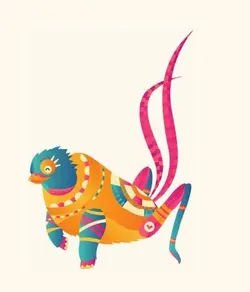
Meta Pets World · Tu aliado · Meta Pet 35

Los cuatro yoes de Vipaścit y el regreso

Carta de Agujeros de Gusano y Milagros
35Agujeros de Gusano y MilagrosViajo a través de dimensiones milagrosas.

Agujeros de Gusano y Milagros acompaña a Vipaścit porque sus cuatro yoes buscan sin fin, de mundo en mundo, el límite de la ignorancia: el Hambre. Por el camino viven siglos como piedra, árbol, león y rana, liberándose unos a otros: la Aventura. Y uno de ellos, ciervo en el propio jardín de Rāma, salta al fuego y lo recuerda todo, llegando adonde empezó: lo Ilimitado.

  1. Sombra · lo que evitasHambre

    Hambre: el errante no tiene descanso en su vagar (VI.2.128.42), y al final reconoce que no pudo hallar en ninguna parte el límite de esa avidyā, esa ignorancia (VI.2.132.16).

  2. Don · lo escondido en ellaAventura

    Aventura: a lo largo de siglos como piedra, árbol, león y rana, los cuatro se ayudan y se sanan entre sí, como se asisten los miembros de un mismo cuerpo (VI.2.125.21).

  3. Esencia · lo que encarnasInfinidad

    Lo Ilimitado: el ciervo del jardín de Rāma (VI.2.129.46) salta al fuego, sale convertido en Bhāsa y recuerda todos los episodios de su vida pasada como una sola (VI.2.130.24).

Cuatro reyes partieron en busca del fin de la ignorancia. Uno volvió a casa como ciervo en el propio jardín de Rāma. Antes de seguir buscando hoy, mira a tu alrededor: ¿qué hay ya aquí?

— Felicia
Contemplación del día

Si a través del agujero de gusano llegas donde empezaste, ¿qué buscas ahí fuera que quizá te espera en tu propio jardín?

Para cerrar la noche

Esta noche, escribe una frase honesta sobre lo que hoy saliste a buscar y sobre si ya estaba en casa.

El Viaje del Aliado · unos 15 minutos

Trance ligero, con los ojos abiertos si lo prefieres. Para el guion completo y profundo, mira «La práctica» más arriba y sus precauciones.

  1. Umbral. Siéntate con los dos pies en el suelo, los ojos abiertos o la mirada baja. Haz tres respiraciones lentas, el Umbral, y en cada inspiración percibe los cuatro lados de la habitación.
  2. El relato en una línea: el rey Vipaścit se hace cuatro, busca de mundo en mundo el fin de la ignorancia, y uno de ellos vuelve a casa como ciervo en el jardín de Rāma (VI.2.132.16; VI.2.129.46).
  3. Conoce la carta. Mira la imagen de Agujeros de Gusano y Milagros y deja que los ojos viajen por ella. Lee la afirmación: «Viajo a través de dimensiones milagrosas».
  4. Sombra. ¿Hacia dónde empuja el hambre tu búsqueda esta semana: un curso más, un viaje más, un vídeo más, una respuesta más? Nombra la búsqueda y la sensación que dice que nunca es suficiente.
  5. Don. Convierte hoy la búsqueda en aventura durante una hora: haz algo por pura curiosidad, sin esperar resultado, y observa la diferencia entre explorar y tener hambre.
  6. Esencia. Imagina a todos tus yoes buscadores volviendo de las cuatro direcciones y sentándose juntos en un mismo lugar. Descansa tres respiraciones diciendo: «Viajo a través de dimensiones milagrosas».
  7. Regreso. Mira la habitación como si acabaras de llegar a casa. Siente los pies y las manos, abre del todo los ojos y escribe la frase honesta de esta noche.

El 30 días de Vínculo

A través del agujero de gusano llegas donde empezaste: cada día del Vínculo, observa dónde empezó la búsqueda de hoy y dónde terminó.

La hermana · Tin-Hinan

Tuareg · Hoggar, Sahara · Allāh Hū

Visita a Tin-Hinan, intérprete de imzad y madre de caravanas tuareg del Hoggar, que sabe que una caravana cruza el Sáhara sin límites para volver al pozo, y cuyo «Allāh Hū» suena a llegada.

Meditación Guiada

#35 · Agujeros de Gusano y Milagros

Voz y guía: Prof. Luis Miguel GallardoVer en YouTube (EN también disponible)
Para facilitadoresSesión con «Vipaścit, el rey que se hizo cuatro» y Agujeros de Gusano y Milagros

Propósito. Ayudar a la persona a ver el hambre que hay detrás de una búsqueda sin fin, y a convertirla en una aventura curiosa que sabe volver a casa.

ITM 2 Reconocimiento consciente. La lección más afilada del relato es un reconocimiento, no haber hallado en ninguna parte el límite de la avidyā (VI.2.132.16): el Reconocimiento Consciente del hambre tiene que llegar antes de cualquier regreso a casa.

La sesión (60–75 min)

  1. Llegada y Umbral (5 min): tres respiraciones lentas; explorar con delicadeza las autolesiones antes de contar el relato, dado su comienzo.
  2. El relato (5 min): contarlo sin detenerse en la decapitación: la ofrenda del viejo rey al fuego, los cuatro reyes que surgen, el vagar por mundos y vidas, el ciervo del jardín de Rāma que salta al fuego y sale convertido en Bhāsa. Remitir a la página del relato para el texto completo.
  3. La carta (8 min): Agujeros de Gusano y Milagros, su afirmación y su koan. Preguntar dónde ha viajado lejos la persona para encontrar lo que había dejado atrás.
  4. Indagación de la Sombra (12 min): trazar las búsquedas de la persona (espirituales, profesionales, amorosas) y el «final» que promete cada una. ¿Cuáles no tienen final?
  5. Práctica de trance (20 min): «Las cuatro direcciones y el fuego», con el guion guiado completo de la página del relato, en profundidad ligera o media. Ofrecer al fuego solo una estrategia vieja y agotada, nunca a la persona; ser testigo del vagar sin seguirlo; llamar a una parte a casa. Mantener límites de tiempo firmes.
  6. Integración del Don y la Esencia (10 min): elegir una aventura sin meta para la semana siguiente; que la persona diga la afirmación desde el lugar llamado casa.
  7. Cierre y Vínculo (5 min): anclaje firme, pies, manos, la habitación, la fecha; proponer el Vínculo de 30 días con Agujeros de Gusano y Milagros.

Preguntas de integración

  • ¿Cuál de tus cuatro yoes quería seguir vagando, y qué dijo cuando lo invitaste a descansar?
  • ¿Qué recordó la parte que volvió a casa?
  • ¿Qué aventura podrías empezar esta semana que no necesite llegar a ningún final?

En círculo

En círculo, colocar cuatro objetos en los cuatro lados de la sala y contar el relato como la historia de cuatro viajeros. Guiar la práctica en profundidad ligera durante unos quince minutos, enviando un yo a cada dirección solo por un momento antes de llamarlos a casa. Después, invitar a cada persona a caminar una vez, despacio y en silencio, hasta uno de los cuatro objetos y volver a su asiento, prestando atención al instante de la llegada. Compartir en tríos: ¿qué buscabas, y qué estuvo siempre en tu asiento? Cerrar diciendo juntos el koan y con un anclaje firme.

Precauciones

  • No usar nunca literalmente la imagen de la decapitación; explorar la ideación suicida y las autolesiones antes de trabajar con el comienzo del relato.
  • Con TID/OTDE, sugerir una división en cuatro puede desestabilizar; favorecer la coconsciencia y la cooperación frente a una mayor división.
  • No sugerir que las partes vagarán para siempre; con personas muy absortivas y propensas a la fantasía, mantener límites de tiempo firmes y un anclaje sólido.
  • El recuerdo de vidas pasadas es material experiencial; la viveza no es prueba.

Formación y certificación en el Método Meta Pets: metapetsworld.org/facilitators ↗

La correspondencia entre relatos y Meta Pets es contemplativa: el Yoga Vāsiṣṭha no contiene los Meta Pets; cada relato escenifica el arco de su aliado. Felicia es una compañera de inteligencia artificial; sus palabras son reflexiones contemplativas, no consejo clínico.

El canto

Del ciclo «Los sesenta y cuatro relatos»

Uno de los cuatro volvió a casa

agne naya supathā rāye asmān / viśvāni deva vayunāni vidvān

Figure — King Vipaścit, devotee of Agni, who became four kings (east, west, south and north), and the stag in Rāma's garden who became Bhāsa.

Where in the text — Book VI (second half, Nirvāṇa-prakaraṇa), Mitra chapters 106–132 (the story proper 108–132).

Hypnotic phenomenon the song enacts — PARTS and EMG: one self sung by four voices that begin in unison, part to the four quarters, free one another and never reunite; one goes still, two keep circling, and one returns through the fire it rose from and comes back as a single human voice that remembers.

Mantra — agne naya supathā rāye asmān / viśvāni deva vayunāni vidvān (अग्ने नय सुपथा राये अस्मान् विश्वानि देव वयुनानि विद्वान्). Source: Īśā Upaniṣad 18 (= Ṛg Veda 1.189.1). Meaning: "O Fire, lead us by the good path to our good, O god who knows all the ways": the prayer to Agni, the god from whom Vipaścit asked all knowledge, who knows every road and leads one of the four home.


Lyrics (English)

Performance: four male voices sing Verse 1 in unison. From Verse 2 they part to the four quarters, each with its own instrument (east bansuri, west sarangi, south santoor, north frame drum), and drift out of phase. In each chorus one instrument takes up another's stuck, repeating figure and resolves it. In Verse 3 the western voice settles onto a drone and stops; two voices loop without cadence and fade, never resolved; the eastern thins to a lone flute. The flute leaps into the mantra and comes out as one human voice, which sings the outro alone.

Verse 1 (unison) An old king, the enemy at all four gates, made his offering in the house of fire: "From the four urns of your furnace give me four of me." Four kings came up out of the flame, one soul, one mind.

Verse 2 (the voices part) They drove the armies to the four seas, asked the fire to know everything, and walked dryshod on the sea. They were stones and trees, a lion, a frog, a hog in a dark hole.

Chorus The west freed the east from the tree, the south freed the west from the stone; they helped and healed each other, and not one of them was home.

Verse 3 (the endings divide) One sat with Hari and went out like a breath, free. Two are walking yet, through endless worlds. One sat by the moon, missing his body, and took the shape of the moon's deer.

Chorus The west freed the east from the tree, the south freed the west from the stone; they helped and healed each other, and one of them grazes in your garden.

Bridge (mantra) (the flute leaps) A smokeless flame stood up in the hall. agne naya supathā rāye asmān viśvāni deva vayunāni vidvān (Fire, lead us by the good road, god who knows every road)

Outro (one voice) The stag from Trigarta, spotted like the stars, who'd bitten at sapphires for grass, saw his god and leapt into the blaze, and came out a man, gold as an evening cloud. "Lustre!" they cried: Bhāsa. He sat and remembered all of it, then rose and bowed: "You gave me my life." King Daśaratha said, "You have wandered long. Sit here. Rest."


Letra (castellano cantable)

Interpretación: cuatro voces de hombre cantan el Verso 1 al unísono. Desde el Verso 2 se separan hacia los cuatro vientos, cada una con su instrumento (este bansuri, oeste sarangi, sur santoor, norte pandero), y se desfasan. En cada estribillo un instrumento retoma la figura atascada y repetida de otro y la resuelve. En el Verso 3 la voz del oeste se posa en un bordón y calla; dos voces giran sin cadencia y se apagan sin resolver; la del este se adelgaza hasta una flauta sola. La flauta salta al mantra y sale convertida en una sola voz humana, que canta sola el final.

Verso 1 (al unísono) Un rey anciano, el enemigo en las cuatro puertas, hizo su ofrenda en la casa del fuego: "De las cuatro urnas de tu horno dame cuatro de mí." Cuatro reyes subieron de la llama, un alma, una mente.

Verso 2 (las voces se separan) Empujaron los ejércitos hasta los cuatro mares, pidieron al fuego saberlo todo, y caminaron a pie seco sobre el mar. Fueron piedras y árboles, león y rana, jabalí en un hoyo oscuro.

Estribillo El oeste libró al este del árbol, el sur libró al oeste de la piedra; se ayudaron y se sanaron, y ninguno estaba en casa.

Verso 3 (los finales se separan) Uno se sentó con Hari y se fue como un aliento, libre. Dos siguen caminando por mundos sin fin. Uno se sentó junto a la luna, añorando su cuerpo, y tomó la forma del ciervo de la luna.

Estribillo El oeste libró al este del árbol, el sur libró al oeste de la piedra; se ayudaron y se sanaron, y uno de ellos pace en tu jardín.

Puente (mantra) (la flauta salta) Una llama sin humo se alzó en la sala. agne naya supathā rāye asmān viśvāni deva vayunāni vidvān (Fuego, llévanos por el buen camino, dios que conoces todos los caminos)

Final (una sola voz) El ciervo de Trigarta, moteado como las estrellas, que mordía zafiros creyéndolos hierba, vio a su dios y saltó a la llama, y salió hecho hombre, dorado como nube de tarde. "¡Brillo!", gritaron: Bhāsa. Se sentó y lo recordó todo, luego se alzó y se inclinó: "Tú me diste la vida." El rey Daśaratha dijo: "Has vagado mucho. Siéntate aquí. Descansa."


One line to carry

EN: Four can search forever; one remembered, and was given a seat. ES: Cuatro pueden buscar sin fin; uno recordó, y le dieron asiento.


Libreto note

The longest search in the book, and the most honest ending. An old king besieged on four sides asks his fire for four of himself, and four kings ride out, one soul and one mind. Then they want to know everything, walk out over the sea, and come apart: stone, tree, lion, frog, each freeing another, "mutually helped and healed." They never reunite. One goes still beside Hari; two are walking yet; one, homesick by the moon, becomes the stag in Rāma's garden, leaps into Vasiṣṭha's fire and comes out remembering. Parts work rarely ends in a neat sum. Four voices part and drift; a flute leaps; one voice is given a seat.


Comprobación de fuentes

Source check (Mitra, Book VI second half)

  1. The four from the fire — enemies "in vast numbers on all sides", the king in his fire temple; "Let the four urns of thy fiery furnace, yield four forms of mine"; four kings spring "from amidst the fire": ch. 109, vv. 12, 23, 26, 31; "of one soul and mind": ch. 113, v. 2. (The text's self-oblation, ch. 109, vv. 24–29, is deliberately left out of the lyric; "made his offering" stands for it.)
  2. The search — the boon "that we may know… whatever is knowable"; "walking on foot and dryshod over the sea": ch. 121, vv. 13–16; ch. 122, vv. 3–5. A stone for a century: ch. 123, vv. 12–13; a lion, a frog, a hog "in a dark hole for a hundred years": ch. 124, vv. 21–23; a tree for seventy years: ch. 125, v. 1.
  3. The parts heal each other — the western part releases the eastern from "its vegetable state"; the southern releases the western from stone; "these states mutually helped and healed each other, as the members of the body assist and supply to the defects of one another": ch. 125, vv. 2–3, 21.
  4. The four endings — the western meets Hari, sits in samādhi and flees "like his vital breath" to nirvāṇa; the eastern, seated beside the moon, laments "the loss of his former body" and by "the stag-like mark on the disc of that luminary" takes that form; two remain "constrained to rove about the worlds": ch. 126, vv. 15–18; ch. 129, vv. 4, 29.
  5. The stag comes home — "It is the same stag, which has been presented to you by the ruler of the province of Trigarta… kept close in your pleasure garden"; "spotted all over, as with the stars"; it ran to bite the blue sapphires "thinking them to be blades of grass": ch. 129, vv. 46–50. A flame "without emitting any smoke"; the stag leaps in "on seeing its adored deity", comes out "as bright as… an evening cloud", is named "Bhása", remembers "all the incidents of his past life", hails Vasiṣṭha as "the giver of my life"; Daśaratha: "you have wandered through many difficulties of the world, now take your rest here": ch. 130, vv. 6–30.

Lee el texto completo

Source: Vihari-Lala Mitra, The Yoga-Vasishtha Maharamayana of Valmiki (1891–99), public domain.

Colabora en esta investigación

Investigadores, clínicos e instituciones pueden escribir. La replicación, el intercambio de datos y las alianzas de sede para los ensayos en curso son conversaciones abiertas.

Contenido educativo y académico. El material de hipnoterapia y regresión es complementario y no sustituye la atención médica o psiquiátrica.