Fundamental Peace · Essay
Hypnotherapy for weight loss — meet the body, not the scale
If diets worked on their own, you would only ever need one. The painful truth most weight-loss programmes refuse to name is that the eating is rarely the problem. The eating is the strategy. Underneath it sits a feeling — stress, loneliness, exhaustion, boredom, a body that has not felt safe in years — and a pattern wired in long before adulthood. Hypnotherapy meets that pattern. Then the plate, almost on its own, begins to look different.
The reframe: Fundamental Peace
From the FP20 view, compulsive eating is most often an Emotional Coherence problem, not a willpower problem. The body has learned that food regulates an unbearable feeling faster than anything else available. Hypnotherapy uses focused, relaxed attention to update that association — gently retiring 'food = the only safe comfort I have' and replacing it with new, body-friendly defaults. It is not magic and it is not a diet. It is the deeper layer that makes any sane eating plan finally land and stay.
Shadow · Gift · Essence
The midnight kitchen visit you cannot remember walking to. The shame after. The number on the scale that decides the whole day. The body treated as a problem to fix, year after year, instead of a friend to listen to.
A nervous system that has been working extraordinarily hard, with the only tools it knew, to keep you functional through a difficult life. The eating is not a moral failure. It is, on close inspection, surprising loyalty.
A body that signals hunger and fullness clearly — and is listened to. Food returned to pleasure and fuel; comfort returned to relationship, breath and rest. A scale that becomes, finally, uninteresting.
The practice
The Three Questions Before You Eat
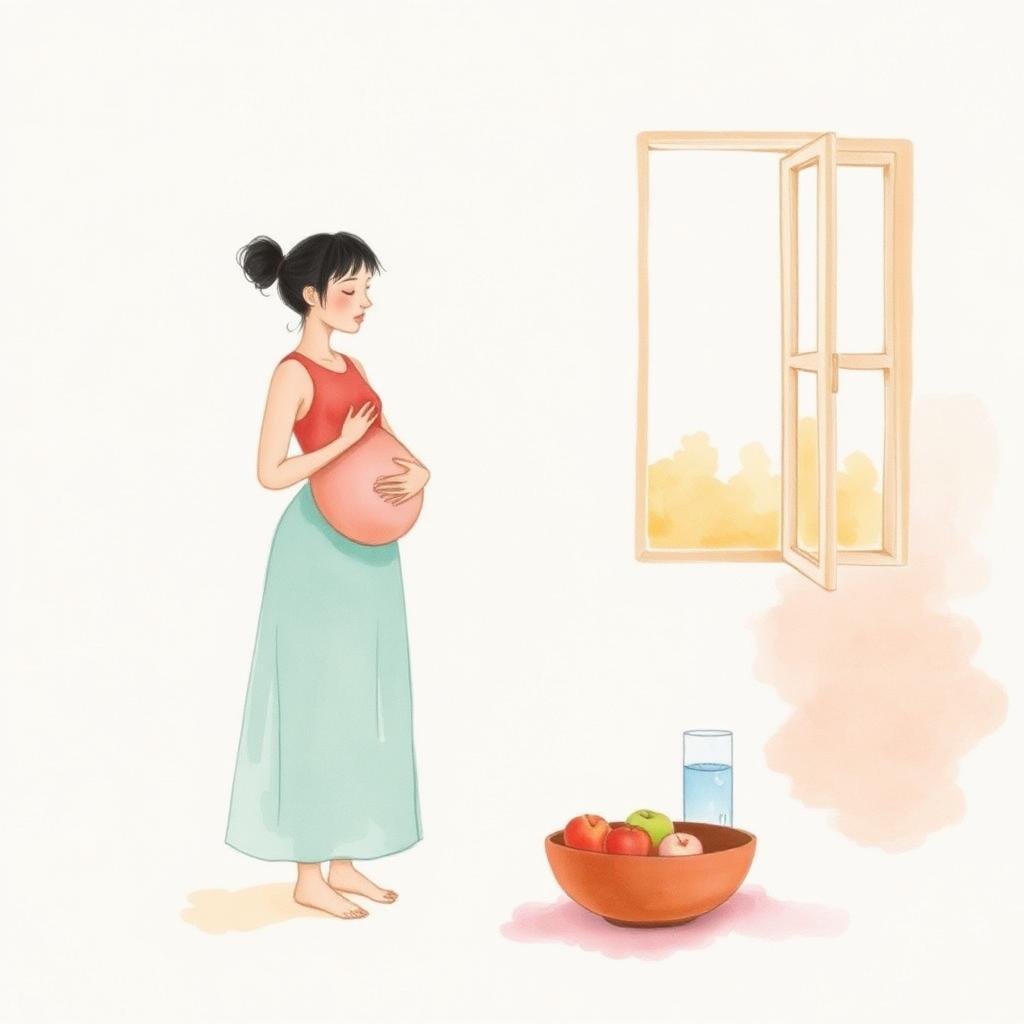
Before any unplanned eating, pause for one slow breath. Hand on the belly.
Ask: am I hungry, or am I something else? Name the something else in one word — tired, anxious, lonely, bored, angry, restless.
If hungry: eat what you want, slowly, sitting down, no screen. Notice the first moment you are no longer hungry and stop there.
If something else: ask what the feeling actually needs. A glass of water. Five minutes outside. A text to one person. A short rest. Offer that first.
If you still want to eat after offering the real thing, eat — without shame and without performance. Over weeks the body starts to trust that it will be listened to, and the urgency drops on its own.
When to seek more support
If you live with diagnosed eating disorders (anorexia, bulimia, binge-eating disorder), please work with a specialist clinician first; hypnotherapy can support that work, not lead it. If your relationship with food is shaped by trauma, medical conditions, or significant under-eating, integrate this essay with proper medical and psychological care.
Frequently asked
How is this different from gastric-band hypnosis or quick-fix programmes?
Quick-fix scripts work for a small minority and rebound for most. The work Luis does is slower and deeper: identify the emotional function the eating is serving, update the subconscious associations, build new self-regulation tools. Weight change becomes the side-effect of a settled inner life, not the goal that holds the inner life hostage.
Will I have to give up the foods I love?
No. Restriction is what diets demand and what your body has learned to rebel against. Hypnotherapy works on freedom, not on rules — the freedom to want a food, eat it, enjoy it, and stop when full. Most clients find that 'forbidden' foods quietly lose their grip when they are no longer forbidden.
How many sessions does it usually take?
A typical course is 6–10 sessions over three months, plus daily 10-minute self-hypnosis recordings between meetings. Faster than diets; slower than people hope. The depth of change is proportional to the patience.
Sources & further reading
- Kirsch (1996) — Hypnotic enhancement of cognitive-behavioral weight-loss treatments
- Mayo Clinic — Hypnosis
- American Society of Clinical Hypnosis (ASCH)
These references are provided for educational purposes. Hypnotherapy complements, and does not replace, medical or psychological care.
Measure where your inner peace stands today
FP20 is the Fundamental Peace Scale — 20 questions, about 4 minutes. It reveals which of the four components (including Emotional Coherence) most needs your attention right now, with a personal reading from Luis.
Take FP20 →Continue reading