Fundamental Peace · Essay
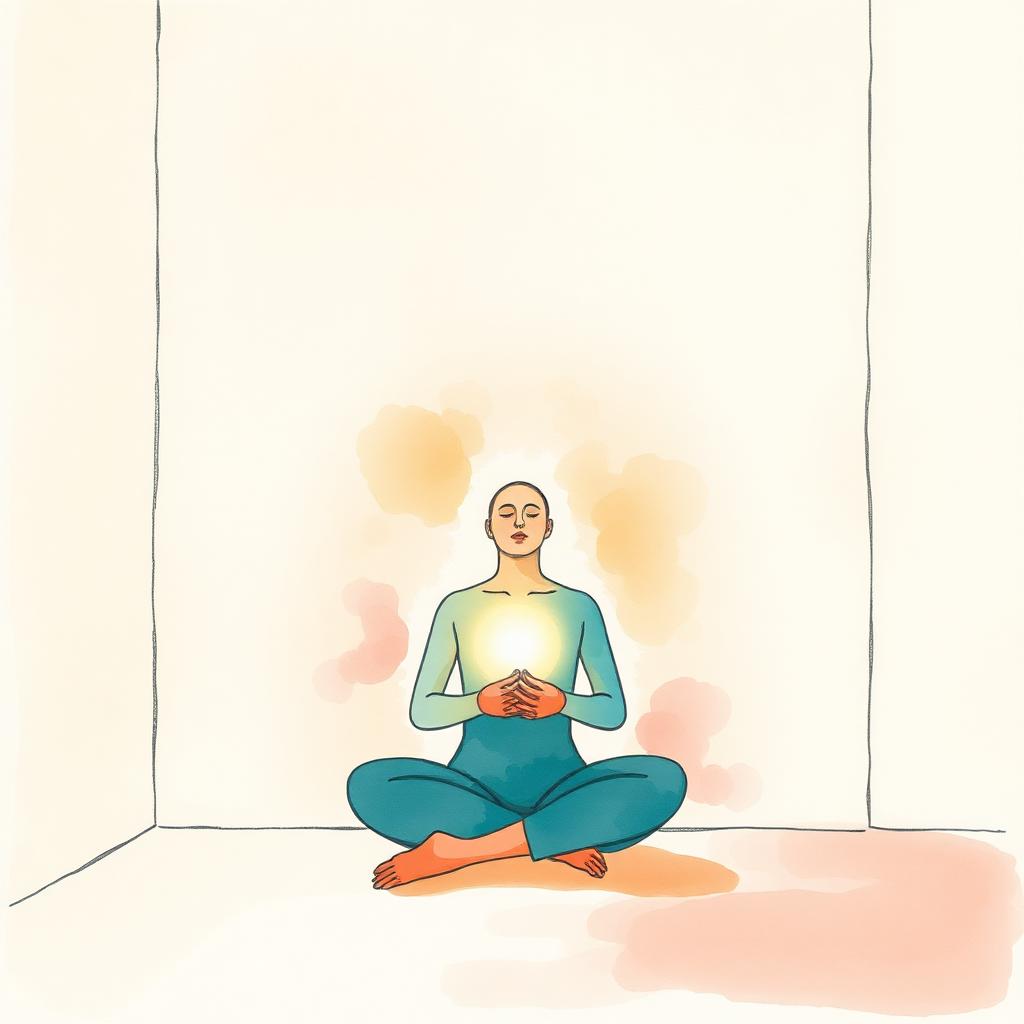
Self-hypnosis — your own quiet inner room
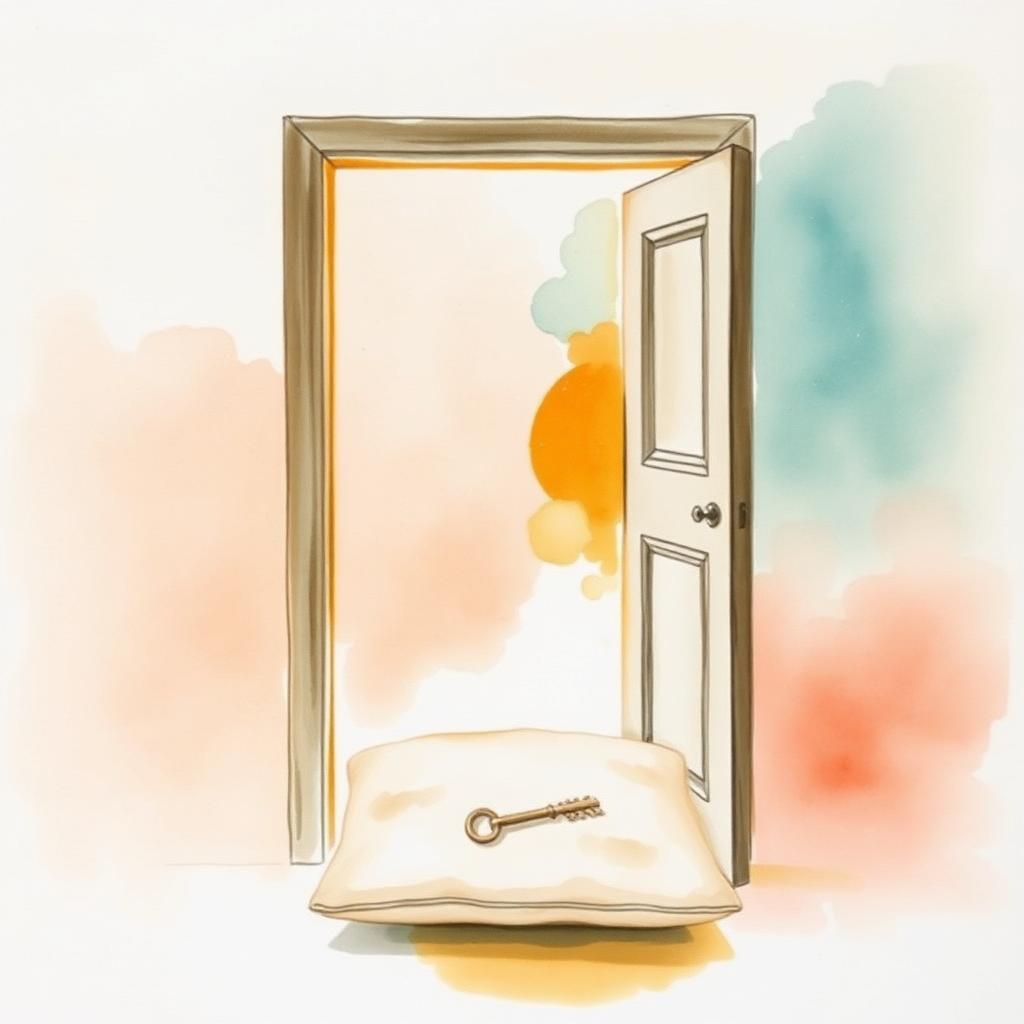
Most of what people call 'mindset work' is, technically, a clumsy form of self-hypnosis. You enter a calm, focused state and you offer yourself an instruction. Self-hypnosis simply makes that process deliberate, structured and repeatable. It is not mysterious. It is a learnable skill — closer to learning to swim than to learning a religion — and it gives you a tool you carry for life.
The reframe: Fundamental Peace
From the FP20 view, self-hypnosis trains Inner Wisdom (the still voice that already knows) and Emotional Coherence (the body able to settle on its own). It is not a substitute for working with a trained hypnotherapist on deep material — but for daily self-regulation, behaviour change support, and integrating insights from therapy, it is one of the most under-used tools in the personal-development toolbox. Ten minutes a day is the dose.
Shadow · Gift · Essence
The belief that change always requires another book, another guru, another expensive programme. The dependence on outside voices to do what your own voice could, with practice, do better.
Sovereignty. The recognition that the deepest layer of work was always going to be done in private, by you, with yourself. Self-hypnosis gives that work a craft.
A daily, private practice that quietly reshapes the inner landscape — confidence built not by motivation but by patient, intimate repetition.
The practice
Beginner Self-Hypnosis — a 10-minute daily protocol
Same time, same chair, every day. Tell anyone in the house you need ten quiet minutes. Phone off.
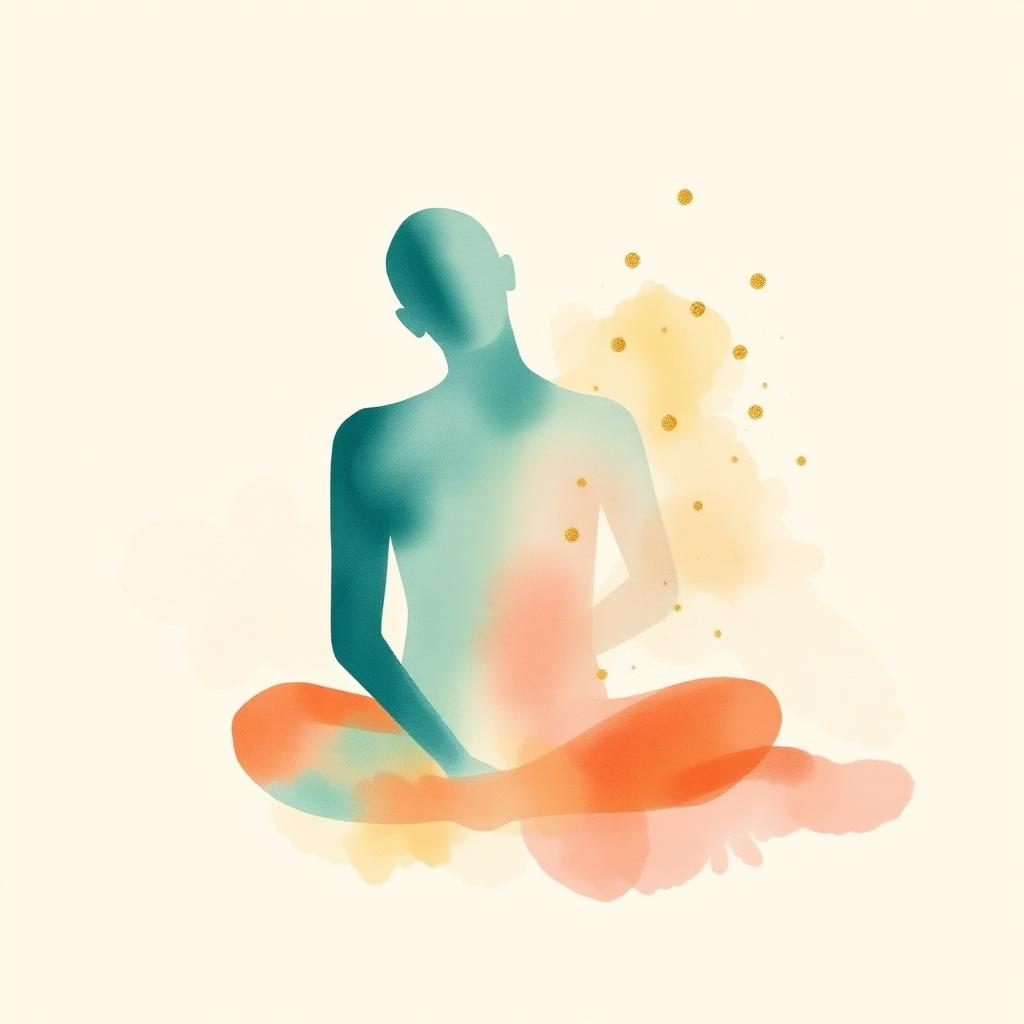
Sit upright, feet flat. Eyes soft, looking at a spot slightly above eye-level. Breathe slowly. When the eyes feel tired, let them close.
Count yourself down silently from 10 to 1, slowing the breath with each number, letting the body soften by one notch at each count.
At the bottom, repeat your single intention three times, in present tense, in your own words. Not 'I will stop smoking' — instead 'I am free of cigarettes; I breathe easily.' Not 'I will be confident' — instead 'I am steady in my own voice.' Keep it short and feeling-true.
After the third repetition, count yourself back up from 1 to 5, telling yourself you'll open your eyes feeling clear, rested and alert. Open your eyes on '5'. Do this once daily. Do not measure progress day-to-day; measure month to month.
When to seek more support
Self-hypnosis is safe and gentle for everyday use. It is not the right first tool for active trauma, psychosis, severe dissociation, or untreated bipolar — for those, work with a trained clinician first, then use self-hypnosis as integration practice between sessions.
Frequently asked
How is self-hypnosis different from meditation?
Meditation, in most traditions, cultivates open awareness; self-hypnosis adds a directed intention. They overlap — both calm the nervous system and both work better with daily practice — but self-hypnosis is goal-shaped while meditation is presence-shaped. Most people benefit from both.
Can I learn self-hypnosis from a book or video?
Yes, the protocol above is enough to start. For deeper or more specific goals (chronic anxiety, smoking, weight, performance), a few sessions with a trained hypnotherapist to design a personalised recording usually pays for itself many times over.
How long until I notice a difference?
Subtle settling in the body often by the second week. Pattern-level change usually around weeks four to six. Most people quit too early; the practice is cumulative and slow before it is fast.
Sources & further reading
- Harvard Health — The power of self-hypnosis
- American Psychological Association — Hypnosis topic
- American Society of Clinical Hypnosis (ASCH)
These references are provided for educational purposes. Hypnotherapy complements, and does not replace, medical or psychological care.
Measure where your inner peace stands today
FP20 is the Fundamental Peace Scale — 20 questions, about 4 minutes. It reveals which of the four components (including Emotional Coherence) most needs your attention right now, with a personal reading from Luis.
Take FP20 →Continue reading