Fundamental Peace · Essay
Craving: the wanting that points home
Craving arrives uninvited — the sugar, the screen, the drink, the message you keep refreshing, the small thing you swore you would not reach for again. It feels urgent, almost moral, as if obeying it were the only way back to peace. Then the moment passes, the craved thing is held, and the quiet that was promised never arrives. The shame walks in instead, and the cycle waits to begin again.
The reframe: Fundamental Peace
From ICEF and FP20, craving is rarely about the thing itself. It is unmet longing wearing the nearest costume your nervous system can reach for. Underneath the pull is almost always one of four signals: I am alone, I am unsoothed, I am bored, or I am hiding from a feeling I have not yet named. Fundamental Peace does not try to defeat the craving. It learns to read it — to ask what the wanting is actually wanting — and to give that real need a more honest answer.
Shadow · Gift · Essence
The hand that reaches before the mind catches up. The relief that is over before the swallow. The promise to yourself that breaks again. The quiet self-contempt afterwards that becomes the soil for the next craving.
A remarkably accurate compass. Every craving points, with embarrassing precision, at exactly the unmet need you have been outrunning. Read it, and you learn more about yourself in five minutes than in a week of analysis.
A self that meets its own real hunger first. The costumes lose their pull because the actual longing — for contact, soothing, meaning, rest — has finally been seen and answered closer to the source.
The practice
The Costume Question — a 5-step practice
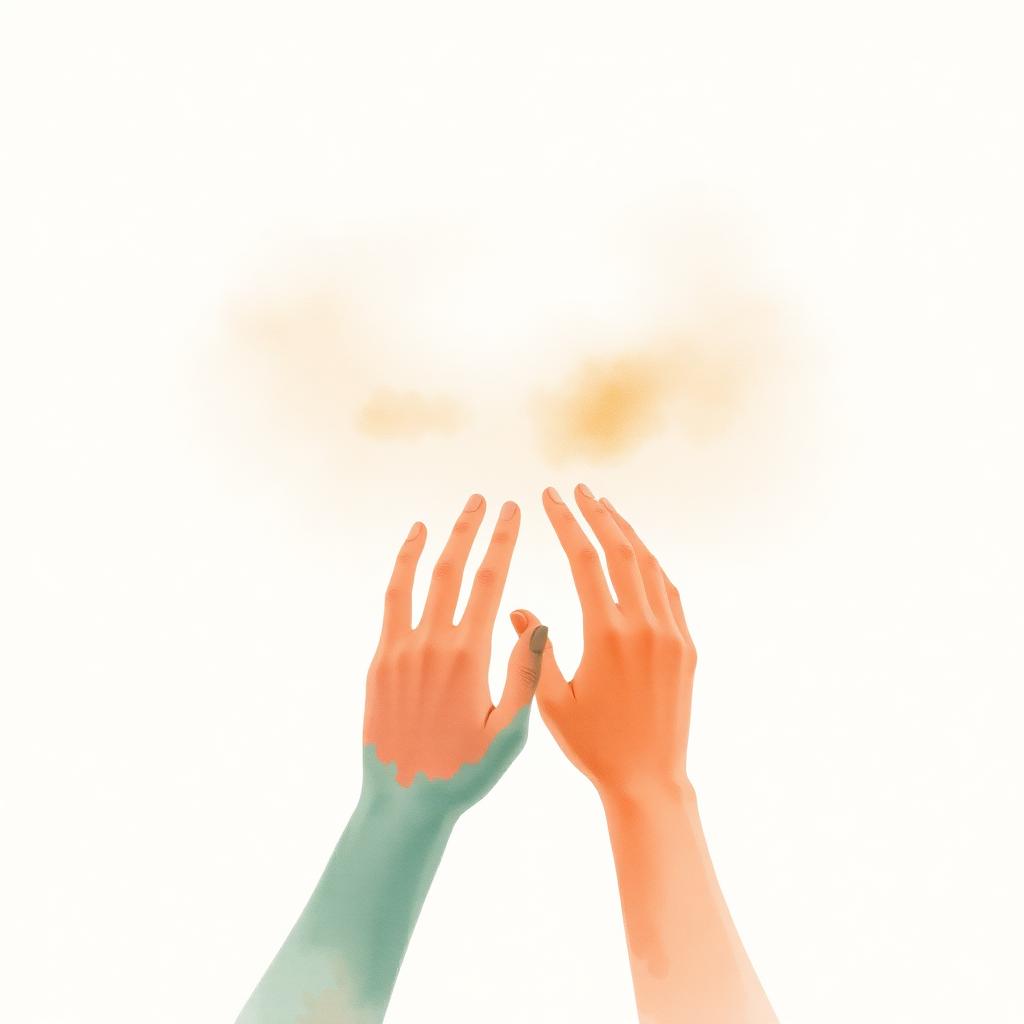
When the craving arrives, do not negotiate with it yet. Place a hand somewhere your body welcomes — chest, belly, the side of the face. Take three slow breaths.
Name it plainly to yourself: 'A craving for ___ is here.' Naming it shrinks it from an emergency to a guest.
Ask one question, gently: 'If this craving were a costume, what is wearing it?' Wait. The honest answer is usually one of four — lonely, unsoothed, bored, or hiding from a feeling.
Offer the real need a small, honest answer first. A text to someone safe. Three minutes of slow breathing. A walk. Permission to feel the feeling for ninety seconds without fixing it.
Then choose, freely, what to do about the original craving. Often the pull is already 40% smaller. Sometimes you still go ahead — without shame, because you went ahead seeing yourself.
When to seek more support
If a craving has become a compulsion that is harming your health, your relationships, your work, or your safety — please reach further than this essay. Addiction medicine, recovery communities (12-step, SMART, refuge recovery), and trauma-informed therapy exist because some loops cannot be loved out alone, and asking for help is part of the recovery, not a failure of it.
Frequently asked
Is every craving a sign of something deeper?
No. Sometimes a craving is just biology — low blood sugar, poor sleep, dehydration. Check those first. The deeper reading applies to the cravings that keep coming back, especially when life is otherwise fine on paper.
What if naming the real need does not stop the craving?
It is not supposed to, every time. It is supposed to interrupt the automatic reach long enough that you choose the next action with your full self rather than the part of you in distress. That is already most of the work.
Where does FP20 fit?
Craving usually touches Equanimity and Sense of Self most. FP20 helps you see whether your inner ground needs steadier presence, or a clearer sense of who you are when the costumes are off.
Sources & further reading
- NIH NIDA — Cravings and triggers
- Brewer et al. — Mindfulness training and craving (PubMed)
- Harvard Health — Distract your mind from cravings
These references are provided for educational purposes. Hypnotherapy complements, and does not replace, medical or psychological care.
Measure where your inner peace stands today
FP20 is the Fundamental Peace Scale — 20 questions, about 4 minutes. It reveals which of the four components (including Emotional Coherence) most needs your attention right now, with a personal reading from Luis.
Take FP20 →Continue reading


From Luis's essay archive
2 related essays by Luis on this topic.
From Sugar Cravings to Soul Healing: Leire’s Heart Journey
From Sugar Cravings to Soul Healing: Leire’s Journey Through the Heart From Sugar Cravings to Soul Healing: Leire’s Journey Through the Heart Leire came to hypnotherapy with a…
Why Meaning and Purpose Are Humanity's Most Urgent — and Most Invisible — Crisis
Why Meaning and Purpose Are Humanity's Most Urgent — and Most Invisible — Crisis How the Shadow→Gift→Essence Model and the Global Pain & Trauma Map Reveal What Happiness Surveys…