
Fundamental Peace · Essay
Sleep hypnosis — the body remembering how to rest
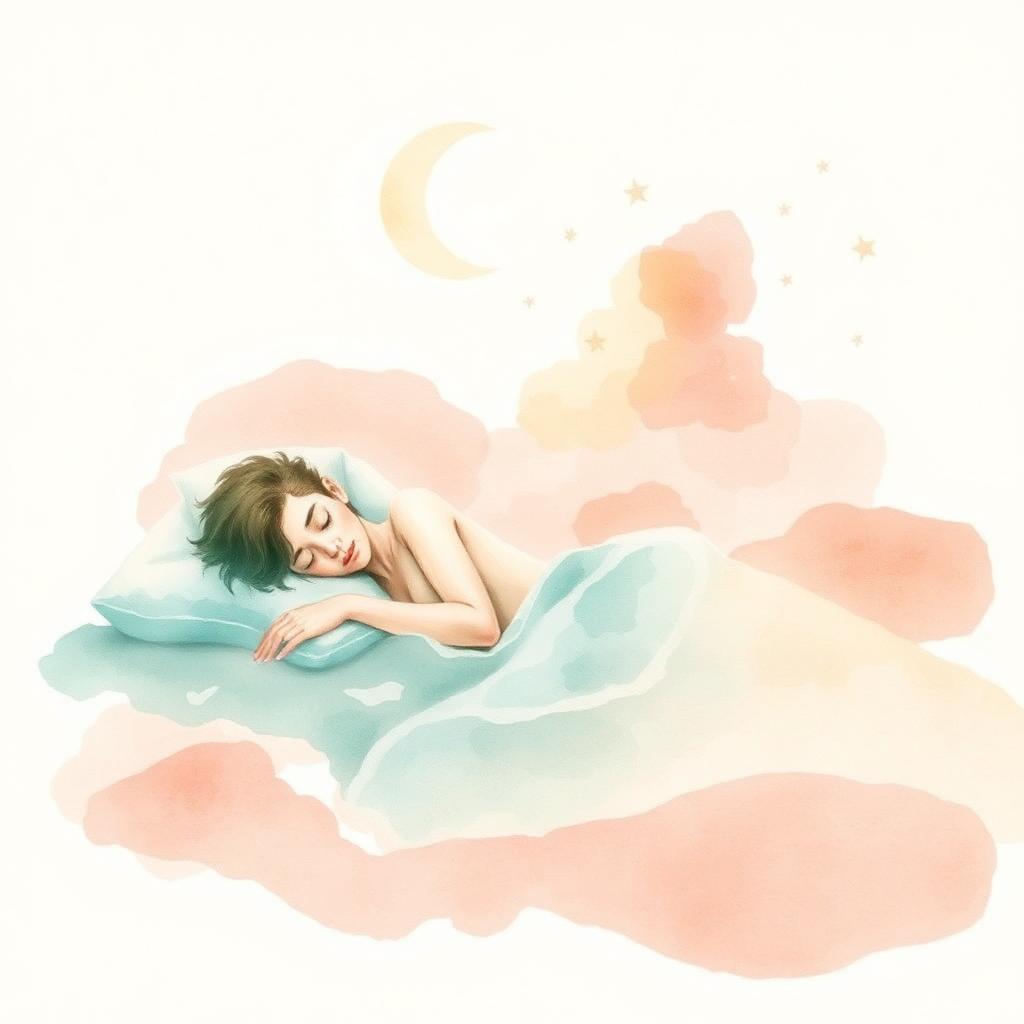
Sleep is not something you do; it is something you allow. The harder you chase it, the further it retreats. Most people who 'can't sleep' do not have a sleep problem — they have a daytime nervous-system problem that only reveals itself at night. Sleep hypnosis is a gentle way of teaching that system, repeatedly and without pressure, that the bedroom is a safe place to put the day down.
The reframe: Fundamental Peace
From the FP20 view, chronic poor sleep is usually Emotional Coherence asking to be heard. In a calm, focused hypnotic state, the subconscious can re-learn the simple sequence the body forgot somewhere along the way: bed = darkness = breath slowing = mind slowing = sleep arriving on its own. Repeated nightly through a self-hypnosis recording, that sequence becomes a default the body chooses without needing your will at all. You stop being the conductor of sleep and become, again, its passenger.
Shadow · Gift · Essence
The 3am clock check. The next-day fog. The fear of bedtime that makes bedtime worse. The slow erosion of patience, kindness and clarity that under-sleeping always brings.
A reminder that you are not a machine. The body refuses to lie about how it is being treated. Sleeplessness is, often, the first honest conversation a busy life has had with its owner in months.
Sleep that arrives without being chased. Mornings that begin slowly rather than urgently. A nervous system that trusts the dark again.
The practice
The Sleep Descent — a 7-minute pre-bed self-hypnosis
In bed, lights low, no screens. Lie on your back, one hand on the belly. Set the intention that this is rest, not problem-solving.
Breathe in for 4, out for 8. Let the exhale be the longer one — that single ratio is what tells the parasympathetic nervous system to switch on. Repeat for two full minutes.
Starting at the feet, silently say to each region of the body: 'You can rest now.' Feet. Calves. Thighs. Belly. Chest. Arms. Throat. Face. Pause briefly at each. Notice the part respond, even subtly.
Picture yourself slowly descending a soft, well-lit staircase, ten steps down. With each step, count silently from ten down to one, and feel one layer of the day fall away. By 'one' you are in the quiet room at the bottom.
Speak one final line silently: 'Whatever happens tonight, I am safe in this bed.' Then let the practice end and let sleep — or simple rest — do whatever it does. Doing this nightly for two weeks retrains the system even if you do not sleep on the first night.
When to seek more support
Long-term insomnia is sometimes medical (sleep apnoea, thyroid, hormonal shifts, pain), sometimes psychiatric (trauma, anxiety, depression), sometimes both. If poor sleep has lasted more than a month, please combine self-work with a doctor's check and, when relevant, evidence-based CBT-I — the gold standard for chronic insomnia. Hypnotherapy is a beautiful companion to that work, not a substitute for it.
Frequently asked
What is sleep hypnosis actually?
It is a focused, deeply relaxed state — closer to meditation than to sleep itself — used to deliver simple, calming suggestions to the part of the mind that controls arousal. Done before bed (in person, by recording, or self-led) it lowers the baseline activation that has been keeping sleep at bay.
Will I be aware while it works?
Yes. You stay aware and in control throughout, then either drift naturally into sleep (very common with bedtime recordings) or open your eyes at the end feeling unusually settled. There is no 'going under'.
Are sleep-hypnosis YouTube videos as effective as working with a hypnotherapist?
For occasional poor nights, free recordings genuinely help. For long-term insomnia, a recording made for your specific patterns and triggers by a trained practitioner is significantly more effective — because the cues match your nervous system, not a generic one.
Sources & further reading
- NIH National Heart, Lung, and Blood Institute — Healthy sleep
- Mayo Clinic — Insomnia: Diagnosis & treatment
- Chamine et al. (2018) — Hypnosis intervention effects on sleep outcomes (systematic review)
These references are provided for educational purposes. Hypnotherapy complements, and does not replace, medical or psychological care.
Measure where your inner peace stands today
FP20 is the Fundamental Peace Scale — 20 questions, about 4 minutes. It reveals which of the four components (including Emotional Coherence) most needs your attention right now, with a personal reading from Luis.
Take FP20 →Continue reading