World Happiness Foundation · Global Mental Health Commission · August 2026
Who cares for those who care?
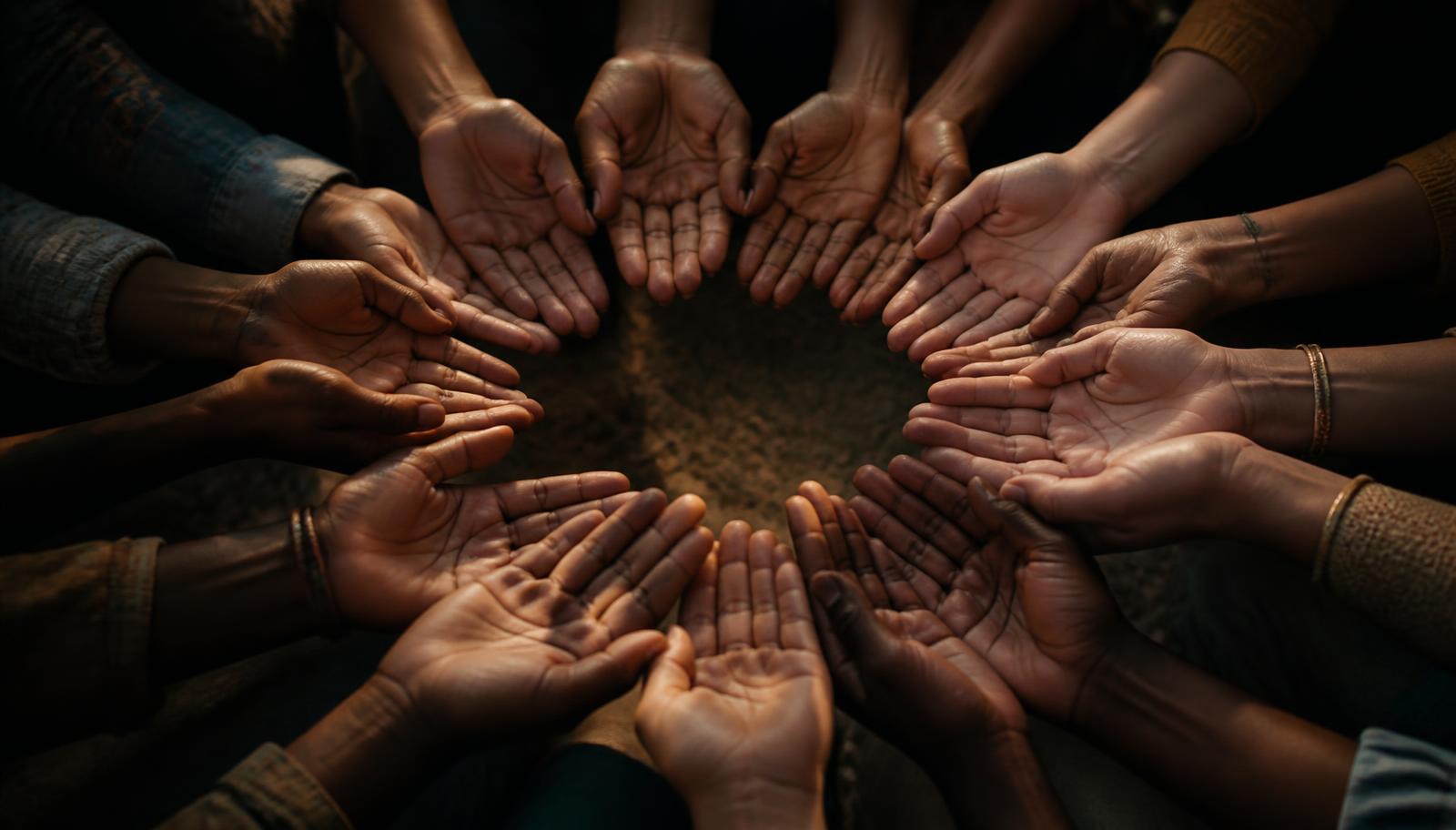
When something breaks — a river, a border, a family, a country — we call the same people. The nurse. The psychologist. The teacher who is the steadiest adult thirty children know. The rescue worker wading upstream while the rain keeps falling. The neighbour who becomes, overnight, the one everyone else leans on. We call them, they come, and then the world moves on to the next emergency while they stay behind with everything they absorbed.
That is the founding question of Heal the Healers, an initiative of the World Happiness Foundation and its Global Mental Health Commission. It is a global, interdisciplinary community for the people whose work or vocation is to accompany others: psychologists and psychiatrists, doctors and nurses, social workers, crisis responders, educators, coaches, facilitators, contemplative practitioners, researchers, community leaders, and the family carers no institution ever lists.
Its purpose is simple to say and demanding to live: that no one who spends their life accompanying others should have to look far to be accompanied themselves.
“Care is a chain, and it holds only where the carers are held.”
I.
A network of networks
The reflex of most new initiatives is to found another organisation. We are deliberately refusing that reflex.
The work of supporting carers is already happening, everywhere, in pieces — professional associations, hospital peer-support teams, faith communities, humanitarian organisations, small local collectives that no directory has ever listed. What the world lacks is not another provider of care for carers. What it lacks is connective tissue: a trustworthy way for a psychologist in Madrid to be introduced to colleagues in Caracas, for a trauma specialist in Kathmandu to find peers who actually understand her caseload, for an organisation with a proven method to meet a community that needs one — without anyone having to conquer anyone's territory to do it.
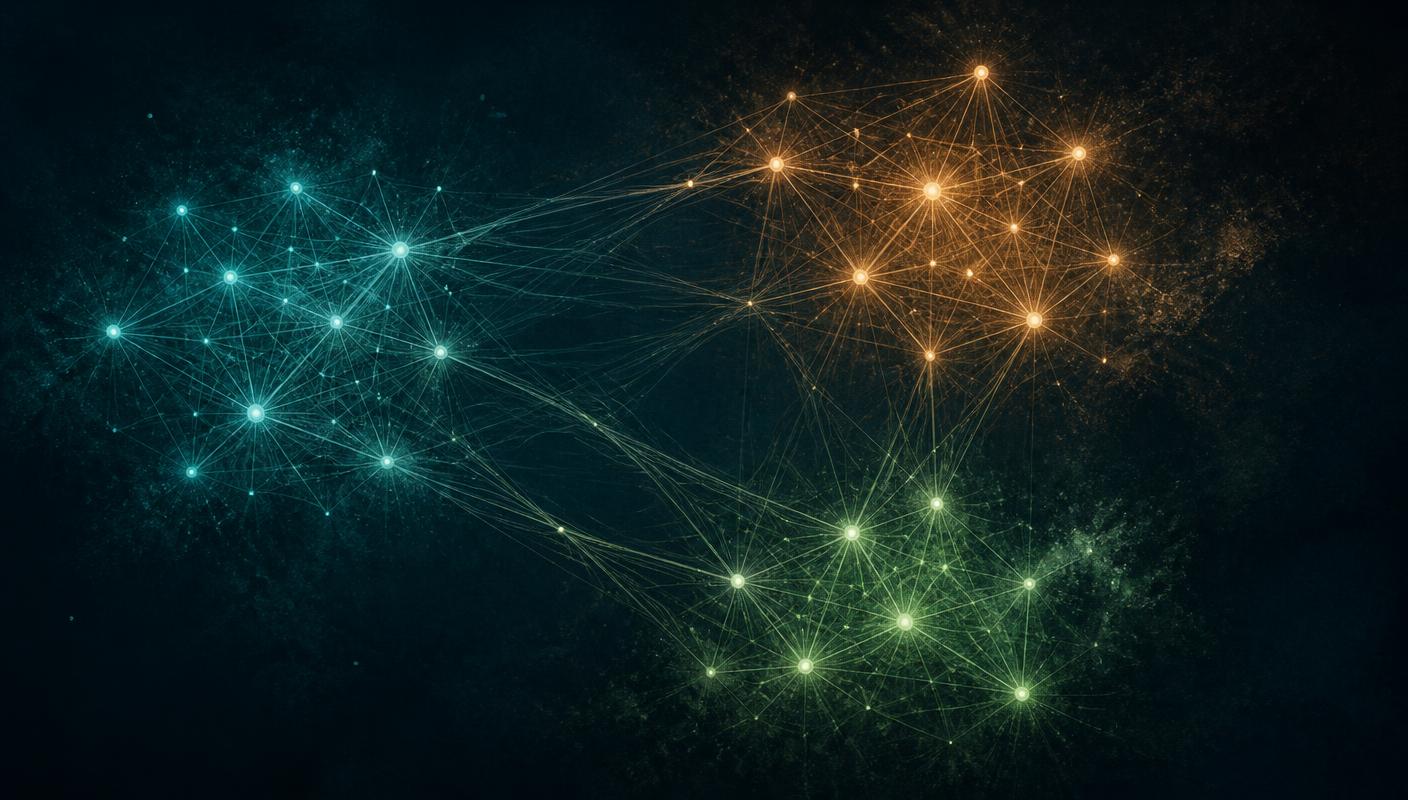
So Heal the Healers is built as a network of networks. We do not intend to replace the organisations, professional bodies or local groups already doing this work. We intend to connect them — and to keep the introductions human. The community meets online once a month, in gatherings that are sometimes practice and sometimes simply presence. A voluntary directory is in development, so the knowledge that already lives inside the network becomes visible and findable. Registration opens soon in Spanish, English and Portuguese, and it is not a course sign-up: it is the doorway into a collaboration.
The three seasons of the work
Prevention
Long before any emergency: peer circles, contemplative practice, spaces where exhaustion can be named early among colleagues who recognise it.
Mitigation
Inside the crisis: honest peer spaces, unembarrassed referral to real clinical care, and steady company for the people responding — coordinated with local colleagues, never over them.
Regeneration
The slower season after attention moves on, when the weight actually lands: rest, supervision, the return to ordinary life, and local networks better held than before.
Three living examples
Nepal–Tibet
In the last days of August 2026, a glacial collapse high in the Himalaya sent a wall of water and debris through the valleys on both sides of the Nepal–Tibet border, striking communities in Nepal's Rasuwa district and Tibet's Gyirong county. The situation is still unfolding as the monsoon continues, and we will not publish figures: they change by the hour, and we cannot keep them current.
What we can say soberly is this: the people searching the riverbanks, staffing the shelters and sitting with the bereaved are, in many cases, neighbours and survivors of the same flood. The responders are inside the event, not outside it.
Heal the Healers is opening collaboration for mental-health professionals willing to accompany those responders and carers — alongside the long relationship the Foundation holds with the Tibetan community, and in the spirit of interdependence explored in Embodying the Middle Way. His Holiness the Dalai Lama has offered his prayers for those lost. Ours take the form of company for the people who will still be holding this valley long after the cameras leave.
Embodying the Middle Way ↗Colombia
In Colombia, we are opening a collaboration for mental-health professionals to accompany healers, carers and community teams — people who have been holding others through years of violence, displacement and uncertainty, often with extraordinary skill and very little accompaniment of their own.
The scope of this work is being defined together with local colleagues, which is exactly how it should be. Colombia does not need a programme parachuted in; it holds some of the deepest community-healing knowledge on the continent. What our network can offer is what networks offer: introductions, peers, supervision, resources, and the simple relief of not carrying it alone.
Venezuela
Our published work on Venezuela is the Dialogues for Fundamental Peace: a series of online gatherings for collective healing, compassionate inquiry and nonviolent transformation, beginning with Venezuela and with the millions of Venezuelans, inside and outside the country, who carry its wound.
Heal the Healers extends that intention to the people who accompany them — the therapists, pastors, teachers, community mothers and volunteers who have absorbed a decade of departures, distances and grief. Fundamental Peace is not the absence of pain; it is the transmutation of its energy into love and compassion. That transmutation is precisely the work carers do every day. They deserve to do it held.
Dialogues for Fundamental Peace ↗What this is, and what it is not
Accompaniment, not rescue
Heal the Healers accompanies. It does not replace professional clinical care, and it is not an emergency service; if you or someone near you is at risk, please contact your local emergency services or health system.
Nor is it a rescue narrative. The people doing this work in the Nepal–Tibet region, in Colombia, in Venezuela — and in dozens of places we have not yet reached — are competent, organised and rooted. They do not need saving. They need colleagues, company and the resources to keep going.
The invitation · two doors
Offer your expertise, or help sustain the work.
If you work in mental health — or in any discipline of care — and would like to accompany healers and carers in one of these regions or in the network at large, tell us where you feel called to contribute. And if you cannot offer clinical time, you can help sustain the work: contributions fund the gatherings, the accompaniment and the coordination that keep a network of networks human.
Everyone brings something — knowledge, experience, tools, resources, contacts, presence. A network is not built by collecting contacts; it is built by knowing who we can count on.
Ten billion free, conscious and happy people by 2050 will not be reached through a chain of care that quietly wears out the people holding it. It will be reached by holding them — in a Himalayan valley, in a Colombian community hall, in a Venezuelan living room split across three countries, and wherever you are reading this.
Those who care also need to be cared for. If that sentence lands somewhere in you, there is a place for you here.
How it connects