
Fundamental Peace · Essay
It was never about willpower
You know exactly what you need to do. You have known for hours, days, sometimes years. The cost of not doing it grows by the day; the difficulty of starting also grows. You scroll, you tidy, you start something easier — and then you castigate yourself for not having started the real thing. The cycle is so familiar it has its own private shame.
The reframe: Fundamental Peace
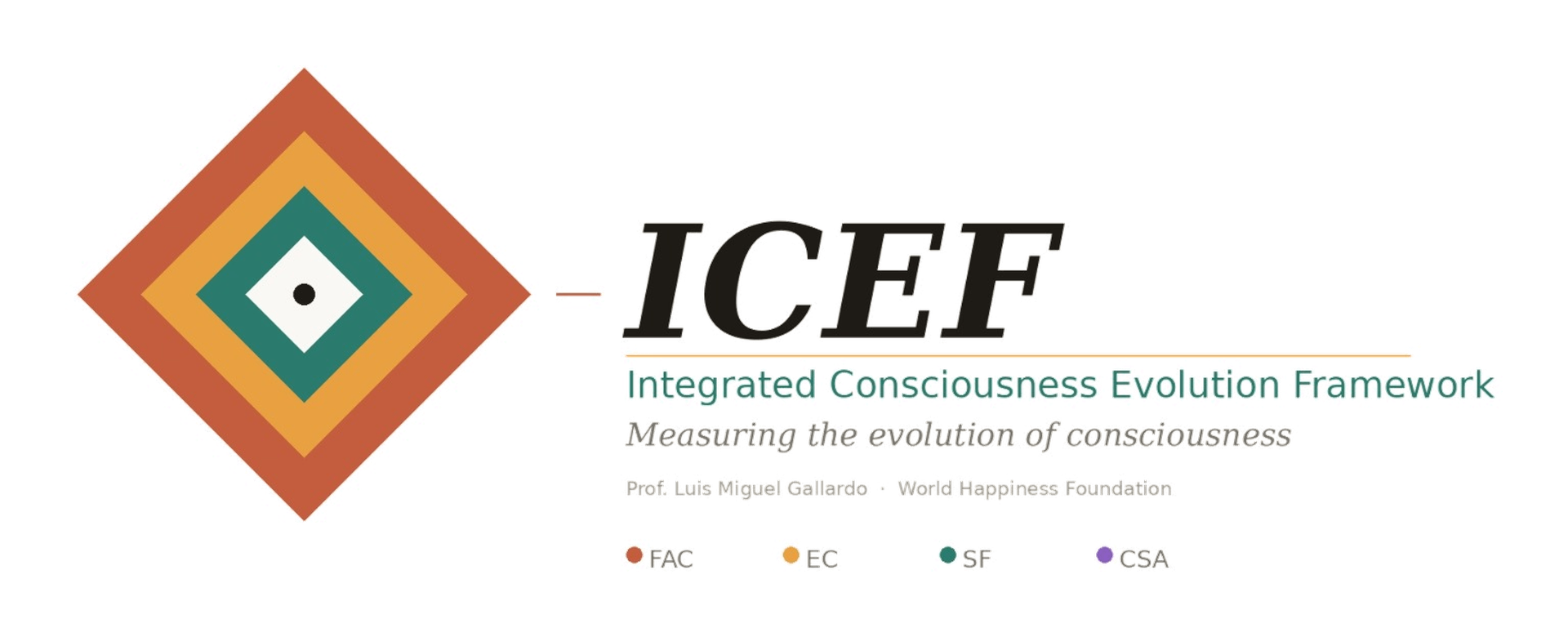
From the perspective of ICEF and FP20, procrastination is almost never a character flaw and almost always an emotional regulation problem. The task is bonded — usually invisibly — to a feeling the nervous system is trying to avoid: fear of failure, fear of judgement, fear of finishing, grief, boredom, overwhelm. Fundamental Peace does not call you lazy. It asks: 'what feeling is this task asking you to feel?' Once that is named, the task becomes possible again.
Shadow · Gift · Essence
The avoided task on the desk, the scroll that does not satisfy, the private self-contempt at the end of the day, the suspicion that something is wrong with you.
A signal that this task is wired to a feeling you have not yet had support for. Procrastination is not weakness; it is your system protecting you from an emotion it does not yet know how to hold.
Action that flows because the feeling underneath has been met — work begun from contact with what matters, not flight from what hurts.
The practice
The Feeling Under the Task — a 10-minute practice
Choose the one task you are most avoiding right now. Write it at the top of a page, plainly. Sit with it for a breath. Notice where in your body resistance lives.
Ask: 'If I imagine actually starting this in the next 60 seconds, what feeling shows up?' Wait. Let the honest answer come — fear, dread, grief, boredom, shame, overwhelm. Name it in one word at the bottom of the page.
Place a hand on your chest. Say silently to the feeling: 'I see you. You make sense. You don't have to leave for me to begin.' Breathe out longer than in.
Set a timer for 10 minutes. Commit only to those 10 minutes, not to finishing. Begin the task at the smallest possible entry point — open the doc, write one bad sentence, dial the number.
When the timer ends, stop if you need to. Write one line: 'I started.' That is the practice. Repeated, it dissolves procrastination at its root, because it teaches the nervous system the feeling will not destroy it.
When to seek more support
If avoidance is total and life-disabling — bills unpaid, health appointments missed for months, work or studies collapsing — please involve a therapist familiar with ADHD, depression and trauma. Chronic severe procrastination is often a clinical signal, not just a habit, and deserves more than a practice page.
Frequently asked
Isn't procrastination just bad time management?
Almost never. Most procrastinators have great time management for everything except the bonded task. The problem is not the calendar; it is the feeling attached to that specific work. Solve the feeling, the calendar mostly takes care of itself.
Why does scrolling feel so unsatisfying and yet so hard to stop?
Because it is not really pleasure — it is regulation. The scroll is keeping the avoided feeling at bay. The moment you put the task down, the feeling returns; the moment you pick the phone up, it numbs. That is why it can last hours and leave nothing behind.
How does FP20 help with procrastination?
FP20 maps four components of Fundamental Peace. Chronic procrastination usually shows up as low Emotional Coherence (avoided feelings) and a drift in Sense of Meaning (work disconnected from what matters). Your reading shows which to address first.
Sources & further reading
- APA — Why we procrastinate
- Steel — The nature of procrastination (Psychological Bulletin)
- Pychyl — Procrastination Research Group, Carleton University
These references are provided for educational purposes. Hypnotherapy complements, and does not replace, medical or psychological care.
Measure where your inner peace stands today
FP20 is the Fundamental Peace Scale — 20 questions, about 4 minutes. It reveals which of the four components (including Emotional Coherence) most needs your attention right now, with a personal reading from Luis.
Take FP20 →Continue reading