
Fundamental Peace · Essay
Anhedonia: when the colour drains from what you used to love
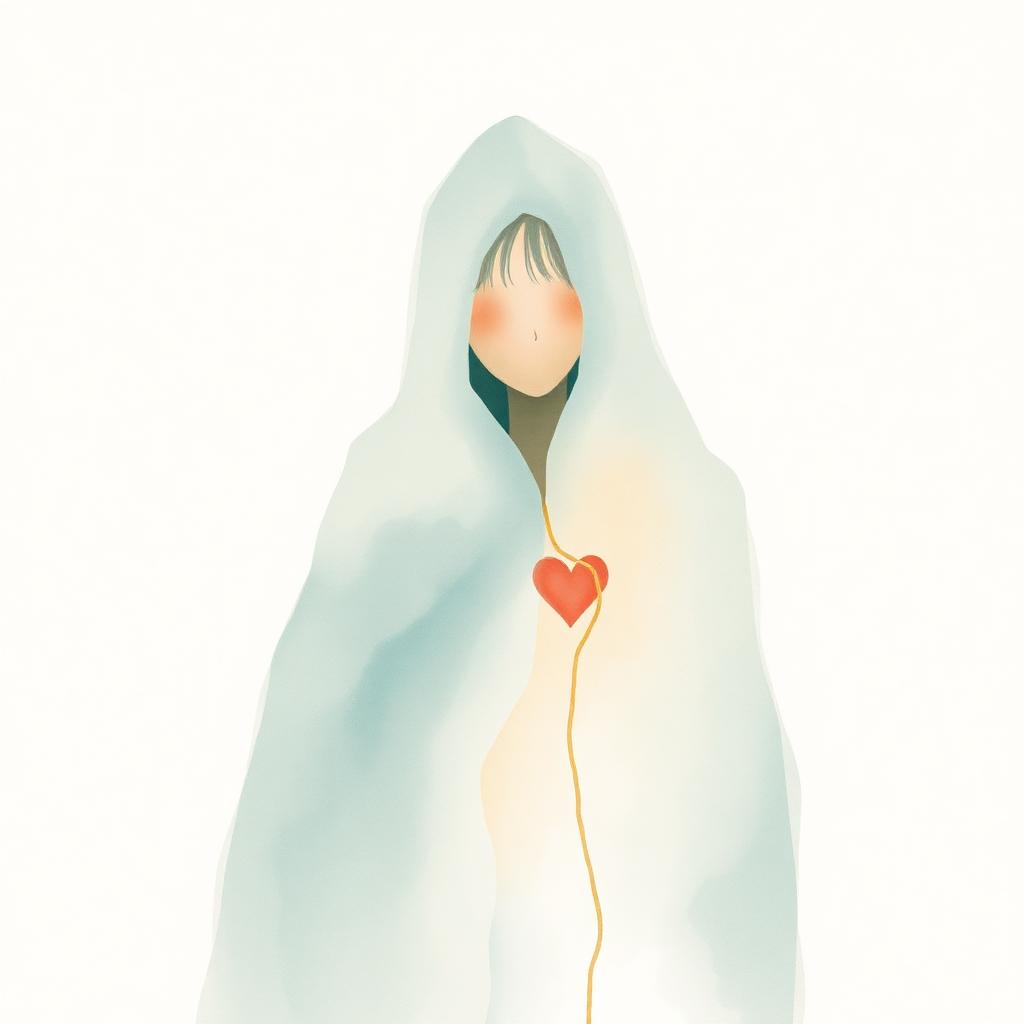
Anhedonia is the flat, faintly embarrassing version of suffering. The music that used to move you sounds like wallpaper. The food tastes correct rather than good. The people you love arrive and you greet them with the right shape on your face, but the inside does not light up. You are not in crisis. You are simply not, quite, here. And the worst part is the small, private fear that this may now be who you are.
The reframe: Fundamental Peace
From ICEF and FP20, anhedonia is rarely 'who you have become'. It is a nervous system that, after too much stress, too much loss, or too much pushing, has lowered its trust in joy as a safe expense. Pleasure costs energy; the body has been rationing. Fundamental Peace treats anhedonia not as a character flaw to scold but as a state to be slowly, gently re-met, with the smallest possible doses of contact, until the inner permission to feel returns.
Shadow · Gift · Essence
The flat afternoons. The performances of enthusiasm at dinner. The growing distance from your own life. The quiet certainty, untrue and very persuasive, that nothing will ever move you again.
Honest information. Your inner world has been overdrawn, and it is finally telling you, in the only language left. Anhedonia, read correctly, is the bill arriving for the rest you never took.
A nervous system that can afford joy again — not because life is perfect, but because the inner ground has been restored enough to let small pleasures count. Colour returning is slow, surprising, and unmistakable.
The practice
The Smallest Pleasure — a 5-step practice
Once a day, choose one extremely small, low-effort thing that, on a good day, would have given you a little pleasure. The first sip of tea. A particular song. Ninety seconds of sun on the face. Choose small on purpose.
Stop everything else. No phone, no second task. Give the small thing your whole attention for one or two minutes.
Do not require yourself to feel anything. Just notice, accurately, what is there — warmth, taste, sound, the body's small response or its absence. Accuracy first; feeling later.
Afterwards, write one short line: 'Today the small pleasure was ___. What I noticed was ___.' Keep these lines in one place; they become the slow proof that colour is returning.
Repeat daily for at least three weeks. Trust does not return in a session; it returns through enough small, kept appointments with the possibility of feeling.
When to seek more support
Anhedonia is one of the central features of clinical depression and a known marker of burnout, long-COVID recovery, and post-traumatic shutdown. If the flatness has lasted more than two or three weeks, has spread to most areas of life, or is accompanied by hopelessness or thoughts of harm, please see a clinician. This essay is one good piece of a larger plan, not a replacement for care.
Frequently asked
Is anhedonia the same as depression?
It is one of the core symptoms, not the whole picture. People can have anhedonia without full depression (after long stress, illness, or grief) and people with depression often have it plus other features (low mood, sleep change, hopelessness). A clinician can sort the difference.
Why small pleasures, not big ones?
Big pleasures demand a level of nervous system trust you do not currently have, so they tend to disappoint and confirm the flatness. Small pleasures are within range; they slowly re-teach the body that feeling is safe.
Where does FP20 fit?
Anhedonia usually touches Equanimity and Inner Wisdom most. FP20 helps you see whether your inner ground needs slow rebuilding of presence, or a clearer trust that joy is allowed.
Sources & further reading
- NIMH — Depression
- Husain & Roiser — Neuroscience of apathy and anhedonia (Nature Reviews Neuroscience)
- Harvard Health — When pleasure feels out of reach
These references are provided for educational purposes. Hypnotherapy complements, and does not replace, medical or psychological care.
Measure where your inner peace stands today
FP20 is the Fundamental Peace Scale — 20 questions, about 4 minutes. It reveals which of the four components (including Emotional Coherence) most needs your attention right now, with a personal reading from Luis.
Take FP20 →Continue reading